Westwood, KS · Johnson County
Office Building Water Extraction in Westwood, KSCeiling Leak Water Removal & Office Building Flood Cleanup
Office Building Water Extraction in Westwood handles office building flood cleanup, commercial carpet water extraction and wet drywall removal.
Answered 24/7
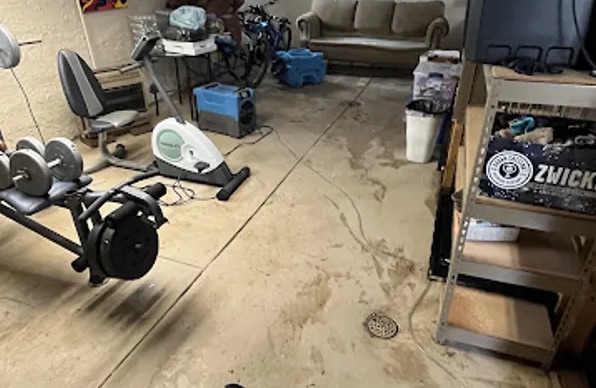
Office Building Water Extraction for Westwood Businesses
Wet carpet tiles, stained ceiling tiles and swollen baseboards in an office all mean water has spread beyond what is visible.
Office building water extraction is available in Westwood and nearby Roeland Park, Fairway and Mission Hills. The pros handle glue-down carpet, drop ceilings and metal-stud walls common in offices.
What Office Water Extraction Covers in Westwood
Ceiling Leak Water Removal
Leaks from roof drains, rooftop units or the floor above often spread across a drop ceiling before tiles stain. The pros lift tiles to find the full wet area.
Office Building Flood Cleanup
Floodwater from outside or a sewer backup is treated as contaminated. Wet porous materials are removed and floors are cleaned and disinfected before drying.
Office Water Damage Cleanup
The pros pick up standing water, pull soaked ceiling tiles and move furniture out of wet zones, then photograph each area for the building owner and insurer.
Commercial Carpet Water Extraction
Office carpet is usually glued to concrete, so it cannot be lifted to dry. Repeated extraction passes and floor drying mats draw water out from below.
Office Records Water Protection
Furniture legs are set on blocks or foam pads so wood and laminate do not wick water while carpet is extracted and dried.
How to Spot Water Damage in an Office Building
Wet or Squishy Carpet
Carpet that feels damp or makes a squishing sound underfoot means water is in the backing or sitting on the slab beneath it.
Stains Below Restrooms
Stains on the ceiling of the floor below a restroom often mean a toilet seal, supply line or drain is leaking.
Warped Cabinet Bases
Break-room or reception cabinets with swollen particleboard bases often hide a slow leak from a sink, ice maker or coffee line.
Loose or Lifting Carpet Tiles
Carpet tiles that shift or curl at the edges usually mean water has softened the adhesive underneath them.
How Office Building Water Extraction Works in Westwood
Step 1: Walkthrough With Management
The pros walk the affected floors with the property manager to agree on what to dry first and what can stay open.
Step 2: Extraction
Water is removed from carpet, tile and cabinet bases, and wet debris is cleared from the floor.
Step 3: Controlled Drying
Dehumidifiers and air movers are adjusted daily as readings change, and wet furniture is dried or set aside.
Step 4: Closeout Records
A record of readings, photos and removed materials is prepared for the owner, tenants and their insurers.
Typical Sources of Commercial Water Damage in Westwood
Roof and Roof Drain Leaks
Flat commercial roofs with clogged drains or worn membranes let water into the plenum and through ceiling tiles.
Frozen Pipes
Pipes in exterior walls or unheated stairwells can freeze and split during a cold snap, then leak when they thaw.
Water Heater Failure
Tank water heaters in utility closets can rust through and leak into nearby offices and storage rooms.
Window and Wall Leaks
Failed window seals and cracked exterior joints let wind-driven rain into walls and onto carpet along the outside of the building.
Water Extraction for Offices, Home Workspaces and Mixed-Use Buildings in Westwood
Residential Water Extraction
For a home office, wet carpet and drywall are handled like any room. Electronics are unplugged and moved, then the floor and walls are dried.
Office Building Water Extraction
Property managers get a moisture map of the affected area and daily readings, so they can plan repairs and tell tenants which suites will reopen first.
What Office Staff Can Do Before Help Starts
In-house maintenance can often stop the source. Drying glue-down carpet, metal-stud walls and plenums needs meters and commercial dehumidifiers to confirm the job is done.
Office Building Water Extraction Cost in Westwood
Contaminated water from a sewer backup or a flood costs more to clean up than clean water from a supply line, because more materials must be removed.
Number of Floors
Water that travels to lower floors means more spaces to extract, dry and document.
Flooring Type
Glue-down carpet and carpet tiles take more extraction passes than sealed concrete or vinyl, and some tiles may need replacement.
Size of the Wet Area
The square footage of wet carpet, walls and ceiling sets how much equipment is needed and how long it runs.
Does Insurance Cover Office Building Water Extraction?
Insurance may pay for extraction and drying after a covered office leak. Your insurer decides coverage, so check your policy and deductible.
Reasons to Use Local Pros for Office Water Removal
Equipment Sized for Offices
Large dehumidifiers and truck-mounted extractors handle open floors and glue-down carpet that household tools cannot.
Contents Handled With Care
Computers, files and furniture are moved or blocked up first, so they are not damaged while water is removed.
Drying Measured, Not Guessed
Equipment comes out only after meters show floors and walls are dry, not when the carpet feels dry to the touch.
After-Hours Office Water Extraction in Westwood
If water is dripping from ceiling tiles or soaking carpet in your office, call (816) 355-6039. Extraction can start after hours so the office can reopen sooner.
Call Now (816) 355-6039Office Building Water Extraction Near Westwood: Service Area
Offices in Westwood and nearby Roeland Park, Fairway and Mission Hills can call any time for help with wet carpet, ceilings and walls.
- Office Building Water Extraction in Roeland Park
- Office Building Water Extraction in Fairway
- Office Building Water Extraction in Mission Hills
- Office Building Water Extraction in Mission
- Office Building Water Extraction in Prairie Village
- Office Building Water Extraction in Merriam
- Office Building Water Extraction in Kansas City
- Office Building Water Extraction in Shawnee
FAQ: Water Extraction for Office Buildings
Do ceiling tiles always need to be replaced?
Stained or sagging tiles are usually replaced, since they are hard to clean and easy to swap out. The drywall and insulation above them are dried.
Does a small leak under a sink need professional help?
A small spill on a hard floor may not. If water reached cabinets, walls or carpet, extraction and measured drying keep it from spreading.
How long does it take to dry an office after a leak?
Most offices dry in three to five days, depending on how much water there was and the type of flooring and walls. Readings decide when it is done.
Does water extraction stop mold in an office?
Fast extraction and drying are the main way to keep mold from starting. Materials that stay wet for more than a day or two are at higher risk.
Can commercial carpet be saved after water extraction?
Often, if it is extracted and dried quickly with clean water. Carpet soaked by sewage or loosened from its adhesive is usually replaced.