Princeton, KS · Franklin County
Industrial Dehumidification in Princeton, KSCommercial Water Damage Cleanup & Emergency Water Removal
Industrial Dehumidification in Princeton includes emergency water removal, commercial water damage cleanup and industrial flood damage restoration.
Answered 24/7
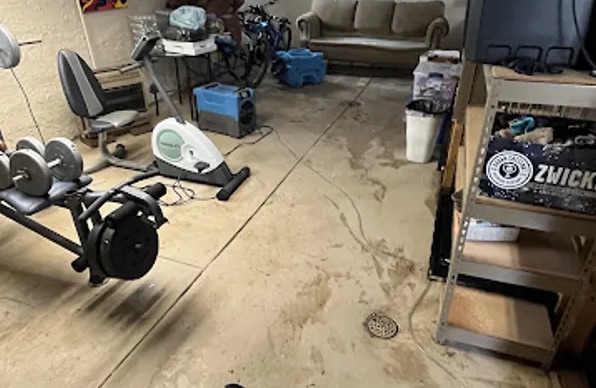
Expert Industrial Dehumidification in Princeton, KS
In Princeton, high humidity after a leak rusts machinery, ruins stock and keeps building materials wet. Industrial dehumidifiers bring it under control so drying can finish.
When flooding hits an industrial building in Princeton, drying needs to start quickly. Local water damage restoration pros also work in nearby Ottawa, Rantoul and Williamsburg and keep records of the water removal and drying.
Industrial Drying Services in Princeton
Commercial Water Damage Cleanup
A flooded warehouse or factory needs powerful moisture removal. Industrial dehumidification focuses on large-scale air drying to safeguard machinery and stored goods.
Emergency Water Removal
After a flood, standing water has to come out first. Pumps and extractors remove it so drying can begin.
Industrial Flood Damage Restoration
Flood waters can halt production. Commercial drying experts implement a phased strategy using industrial dehumidifiers and air movers. Large dehumidifiers are sized to the building volume.
Warehouse Moisture Control
High warehouse humidity leads to condensation and product damage. The pros deploy industrial dehumidifiers to pull excess moisture from the air.
Mold Remediation Services
Persistent moisture often leads to mold growth. The pros first dry the structure thoroughly. Affected surfaces are then cleaned.
When to Call for Industrial Dehumidification in Princeton
Equipment Rust or Corrosion
New rust on machinery or metal stock can come from damp air in the building.
Damp Insulation or Drywall
Wet materials behind walls or above ceilings stay wet for weeks without forced drying and can rot.
Noticeable Water Pooling
Standing water in a warehouse or industrial space needs to be removed before drying can start.
Condensation on Pipes
Sweating pipes and ducts drip water and raise the humidity in the space even further.
How Industrial Dehumidification Works in Princeton
Step 1: Site Assessment and Inspection
An inspection finds the water sources, the wet materials and how much cleanup is needed.
Step 2: Containment and Water Removal
Containment is set up if needed, then industrial extractors remove the bulk water.
Step 3: Deploy Drying Equipment
Desiccant and refrigerant dehumidifiers and air movers are placed to dry the building.
Step 4: Continuous Monitoring and Adjustment
Equipment runs around the clock, and humidity is checked so the setup can be adjusted as areas dry.
Common Causes for Industrial Dehumidification in Princeton
Foundation Cracks and Seepage
Groundwater pushed up through cracks in slabs and walls keeps lower areas damp.
Poor Ventilation and Airflow
Poor ventilation traps moisture from work processes and people inside the building.
Appliance Malfunctions and Overflows
Water heater failures or broken process lines can flood large areas suddenly.
Process Water or Chemical Spills
Industrial processes that use liquids carry a constant risk of accidental spills and releases.
Industrial Dehumidification for All Properties in Princeton
Residential Industrial Dehumidification
Storm-driven water needs fast action to save belongings and building materials. The pros extract the water 24/7 and document the damage for your claim.
Commercial Industrial Dehumidification
A flooded warehouse or production floor halts business. Fast water removal and commercial dehumidification shorten the time the space is out of use.
Industrial Dehumidification vs. Do-It-Yourself in Princeton
Move valuable items and equipment out of the wet area to limit losses. Finding hidden water in walls and under floors takes moisture meters and commercial drying equipment.
Factors Affecting Industrial Dehumidification Cost in Princeton
In Princeton, the cost depends on how many days the dehumidifiers run and how many air movers the job needs.
Emergency Service Timing
After-hours or 24/7 calls may be billed at a different rate than a scheduled visit.
Mold Remediation Needs
If mold is found, containment, removal and air scrubbing are added to the job.
Equipment Quantity
The number of dehumidifiers, air movers and meters needed grows with the size of the flood.
Does Insurance Cover Industrial Dehumidification?
The pros create a thorough, factual record of the affected property and the required remediation steps, which the property owner can provide to their insurer.
Why Choose Local Pros for Industrial Dehumidification in Princeton
Comprehensive Water Removal
The work starts with removing standing water and water soaked into materials.
Detailed Moisture Documentation
Meters and sensors track humidity and moisture, so you can see drying progress day by day.
Humidity Reduction Systems
Dehumidifiers can stay in place until humidity in the building is stable.
24/7 Emergency Industrial Dehumidification in Princeton
Major humidity issues or active flooding demand early professional help to protect building materials and contents. Dial (816) 355-6039 for 24/7 help with large-scale drying and moisture control from the pros.
Call Now (816) 355-6039Areas Served for Industrial Dehumidification Near Princeton
Large-scale drying and emergency water removal keep businesses running. Local pros serve Princeton and the vicinity, including communities like Ottawa, Rantoul and Williamsburg.
- Industrial Dehumidification in Ottawa
- Industrial Dehumidification in Rantoul
- Industrial Dehumidification in Williamsburg
- Industrial Dehumidification in Lane
- Industrial Dehumidification in Pomona
- Industrial Dehumidification in Osawatomie
- Industrial Dehumidification in Wellsville
- Industrial Dehumidification in Waverly
- Emergency Damage Restoration in 66078
- Storm Damage Restoration in 66078
- Water Damage Restoration in 66078
- Water Extraction Service in 66078
- Water Leak Detection in 66078
- Water Removal Service in 66078
Industrial Dehumidification Common Questions Answered
How does commercial dehumidification differ from residential?
The focus extends beyond drying to include minimizing operational downtime and protecting sensitive inventory or machinery.
What is industrial dehumidification?
It is removing excess moisture from the air and materials in commercial or industrial buildings after water damage, using large dehumidifiers.
What does water damage cleanup involve?
Water extraction, moisture mapping of the building, placement of industrial dehumidifiers and air movers, daily monitoring and a final dryness check.
What areas need drying after a warehouse flood?
All wet areas: floors, walls, stored contents and often the subfloor and insulation as well.
When is mold remediation necessary after flooding?
Mold remediation services become crucial if visible mold appears or if materials remain wet beyond 24-48 hours, allowing spores to activate.