Prairie Village, KS · Johnson County
Industrial Dehumidification in Prairie Village, KSIndustrial Flood Damage Restoration & Warehouse Moisture Control
Industrial Dehumidification in Prairie Village handles disaster recovery drying, industrial humidity reduction systems and emergency water removal.
Answered 24/7
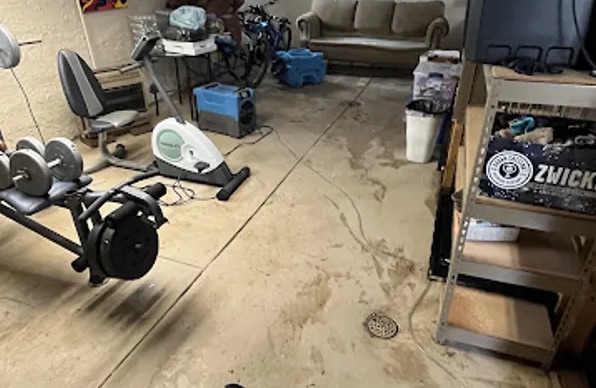
Expert Industrial Dehumidification in Prairie Village, KS
Mold is a frequent consequence of untreated moisture in warehouses, manufacturing facilities, and other large commercial spaces. It poses health risks to occupants and can damage stored products, inventory, and essential building systems over time.
Industrial dehumidification is a priority for large facilities in Prairie Village and nearby areas like Leawood, Mission Hills and Fairway. Whether dealing with a burst pipe or ongoing humidity issues, local water damage pros apply commercial dehumidification techniques.
Industrial Flood Damage Restoration in Prairie Village
Industrial Flood Damage Restoration
After a significant flood, industrial spaces need professional drying. Water damage restoration pros in Prairie Village set up systems to dry the building structure and contents, checking readings daily.
Warehouse Moisture Control
Controlling ambient humidity is crucial in warehouse storage. The pros install and monitor systems to maintain optimal moisture levels.
Commercial Water Damage Cleanup
Specialized drying equipment is needed for retail or office water damage. The pros deploy industrial-grade dehumidifiers to extract moisture from air and materials in Prairie Village.
Disaster Recovery Drying
After a disaster in Prairie Village, heavy-duty drying equipment brings humidity down so repairs can start safely.
Mold Remediation Services
Extensive mold requires professional remediation to ensure occupant safety. Industrial dehumidification is a core part of stopping the mold lifecycle.
Warning Signs You Need Industrial Dehumidification
Damp Insulation or Drywall
Wet materials behind walls or above ceilings stay wet for weeks without forced drying and can rot.
Soggy Inventory or Stock
Wet cardboard, damaged goods or damp raw materials mean humidity in the building is not under control.
Recent Flood or Spill
A burst pipe or overflow that soaks a commercial space needs cleanup and drying right away.
Warped or Buckling Materials
Swollen wood, peeling paint or distorted flooring are signs of too much moisture in the building.
How Industrial Dehumidification Works in Prairie Village
Step 1: Initial Water Damage Cleanup
Pumps and extractors remove the visible water to stop more damage and remove slip hazards.
Step 2: Establish Drying Environment
The area is closed off and dehumidifiers lower the humidity so moisture leaves the materials.
Step 3: Execute Structural Drying Plan
Air movers push air across wet surfaces so the water evaporates and the dehumidifiers collect it.
Step 4: Final Dryness Verification
The job ends when readings show the structure and contents are back to normal dryness.
Sources of Moisture in Industrial and Commercial Buildings
Roof Leaks and Storm Damage
Damaged roofing lets water in during heavy rain, wetting stock and floors below.
Fire Suppression System Activation
A sprinkler discharge can leave a large amount of water to extract and dry.
Process Water or Chemical Spills
Industrial processes that use liquids carry a constant risk of accidental spills and releases.
Appliance Malfunctions and Overflows
Water heater failures or broken process lines can flood large areas suddenly.
Residential and Commercial Industrial Dehumidification in Prairie Village
Residential Industrial Dehumidification
In homes, water from a burst pipe spreads inside walls and under floors. The pros find the wet areas with meters and dry them to save the structure and finishes.
Commercial Industrial Dehumidification
Manufacturing plants and warehouses need large-scale drying after a major water incident. Drying brings the space back to the humidity levels production requires.
Industrial Dehumidification vs. Do-It-Yourself in Prairie Village
A property owner can document the first damage with photos and written notes for the insurance provider before cleanup begins. Large-scale extraction and structural drying, though, take industrial pumps, dehumidifiers and trained pros.
Industrial Dehumidification Pricing in Prairie Village
In Prairie Village, the cost depends on how many days the dehumidifiers run and how many air movers the job needs.
Affected Square Footage
The size of the area to be dehumidified sets how much equipment and labor are needed.
Access Complexity
Hard-to-reach areas in a warehouse or plant take longer to set up equipment in.
Mold Remediation Needs
If mold is found, containment, removal and air scrubbing are added to the job.
Does Insurance Cover Industrial Dehumidification?
The pros provide detailed documentation of the damage, including moisture maps and photographic evidence, to support the property owner's claim submission for review.
Advantages of Hiring Local Pros for Industrial Dehumidification in Prairie Village
Containment Protocols
Where mold is found, barriers keep it from spreading to other parts of the building.
IICRC-Standard Drying Methods
The pros follow industry drying standards so moisture is fully removed from the structure.
Humidity Reduction Systems
Dehumidifiers can stay in place until humidity in the building is stable.
Emergency Water Damage Services in Prairie Village
Standing water left in a building can lead to mold within a day or two. Call (816) 355-6039 to reach the pros for commercial water cleanup and humidity control, any hour.
Call Now (816) 355-6039Areas Served for Industrial Dehumidification Near Prairie Village
Help with industrial dehumidification is available for businesses in Prairie Village and nearby Leawood, Mission Hills and Fairway dealing with water damage or high humidity.
- Industrial Dehumidification in Leawood
- Industrial Dehumidification in Mission Hills
- Industrial Dehumidification in Fairway
- Industrial Dehumidification in Mission
- Industrial Dehumidification in Overland Park
- Industrial Dehumidification in Merriam
- Industrial Dehumidification in Roeland Park
- Industrial Dehumidification in Westwood
- Emergency Damage Restoration in 66208
- Storm Damage Restoration in 66208
- Water Damage Restoration in 66208
- Water Extraction Service in 66208
- Water Leak Detection in 66208
- Water Removal Service in 66208
Industrial Dehumidification FAQs for Prairie Village Property Owners
How long does industrial flood damage restoration take?
It depends on how much water there was, what got wet and the humidity. Large jobs often take several days to a few weeks.
What tools do water damage restoration pros use for moisture control?
Local pros use an array of tools including penetrating and non-penetrating moisture meters, thermal imaging cameras, industrial-grade dehumidifiers, and high-volume air movers.
How is drying progress monitored?
The pros take moisture readings from materials and the air each day and keep drying logs that show progress.
What does water damage cleanup involve?
Water extraction, moisture mapping of the building, placement of industrial dehumidifiers and air movers, daily monitoring and a final dryness check.
Does all water require the same cleanup approach?
No. Clean water from a supply line, gray water from appliances and black water from sewage each need different safety and cleanup steps.