New Century, KS · Johnson County
Industrial Dehumidification in New Century, KSCommercial Water Damage Cleanup & Disaster Recovery Drying
Industrial Dehumidification in New Century includes mold remediation services, structural drying services, and disaster recovery drying.
Answered 24/7
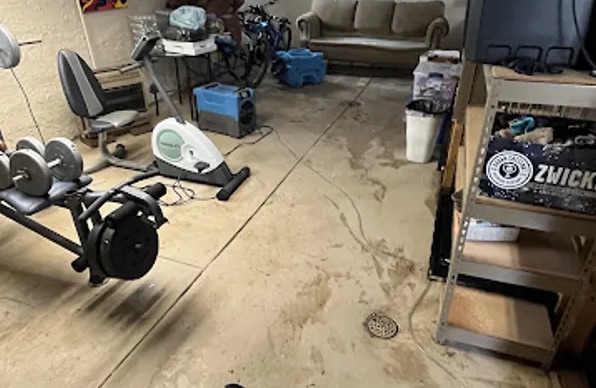
Local Industrial Dehumidification for New Century Businesses
In New Century, water trapped in the walls, floors and ceilings of commercial buildings causes mold, rot and decay if it is not dried properly.
When flooding hits an industrial building in New Century, drying needs to start quickly. Local commercial drying experts also work in nearby Gardner, Olathe and Spring Hill and keep records of the water removal and drying.
Industrial Dehumidification Services in New Century
Commercial Water Damage Cleanup
Leaks or floods in commercial properties need high-capacity dehumidifiers. Humidity control in expansive areas targets moisture in concrete slabs and behind walls.
Disaster Recovery Drying
After a large flood or leak, whole floors or wings of a building may need drying at once. High-capacity dehumidifiers and air movers make that possible.
Emergency Water Removal
Emergency water removal in New Century pulls floodwater out of the building so the industrial drying can start.
Industrial Flood Damage Restoration
Restoring a flooded plant requires drying the entire environment. Pros reach moisture in high ceilings, equipment pits and storage areas.
Warehouse Moisture Control
Warehouse humidity often climbs with the seasons and after leaks. Industrial dehumidifiers bring it back down, and placing them well protects stock and packaging.
Indicators for Industrial Dehumidification Services in New Century
Stained Ceilings or Walls
Yellow or brown water stains show where past leaks happened and where moisture may still be.
Noticeable Water Pooling
Standing water in a warehouse or industrial space needs to be removed before drying can start.
Damp Insulation or Drywall
Wet materials behind walls or above ceilings stay wet for weeks without forced drying and can rot.
Musty Odors and Smells
A persistent earthy smell often points to hidden moisture in walls, ceilings or stored goods.
How Industrial Dehumidification Works in New Century
Step 1: Initial Water Damage Cleanup
Pumps and extractors remove the visible water to stop more damage and remove slip hazards.
Step 2: Establish Drying Environment
The area is closed off and dehumidifiers lower the humidity so moisture leaves the materials.
Step 3: Execute Structural Drying Plan
Air movers push air across wet surfaces so the water evaporates and the dehumidifiers collect it.
Step 4: Final Dryness Verification
The job ends when readings show the structure and contents are back to normal dryness.
Reasons for Industrial Flood Damage in New Century
Fire Suppression System Activation
A sprinkler discharge can leave a large amount of water to extract and dry.
Foundation Cracks and Seepage
Groundwater pushed up through cracks in slabs and walls keeps lower areas damp.
Burst Pipes or Plumbing Leaks
Failed supply lines, faulty fittings, or cracked pipes can release thousands of gallons.
Groundwater Intrusion and Saturation
Poor drainage around the building can let water seep up through the floor.
Professional Industrial Dehumidification for Any Property in New Century
Residential Industrial Dehumidification
A flooded basement or crawl space can ruin stored items and weaken foundations. Pros extract the water and dry the structure to prevent costly repairs later.
Commercial Industrial Dehumidification
Restaurant kitchens, stockrooms and offices all need humidity under control after water damage. Commercial dehumidifiers protect equipment and goods from rust and mold.
Industrial Dehumidification vs. Do-It-Yourself in New Century
For a small spill of clean water, a mop or wet vacuum is fine. If water has soaked into drywall, flooring or subfloor, call (816) 355-6039 so it can be dried before it rots or grows mold.
Industrial Dehumidification Pricing in New Century
Local commercial drying experts price the job based on how wet the building is, what materials got wet and how hard the space is to work in.
Emergency Service Timing
After-hours or 24/7 calls may be billed at a different rate than a scheduled visit.
Access Complexity
Hard-to-reach areas in a warehouse or plant take longer to set up equipment in.
Drying Time Required
How long the dehumidifiers must run to reach dry readings is a main cost component.
Does Insurance Cover Industrial Dehumidification?
The experts in New Century document the full extent of microbial growth and the underlying conditions, providing this evidence for the insurer to evaluate against the policy's terms.
The Value of Local Pros for Industrial Dehumidification in New Century
Detailed Moisture Documentation
Meters and sensors track humidity and moisture, so you can see drying progress day by day.
24/7 Emergency Response
Fast water extraction limits how far damage spreads in a large building.
IICRC-Standard Drying Methods
The experts follow industry drying standards so moisture is fully removed from the structure.
24/7 Emergency Industrial Dehumidification in New Century
Major humidity issues or active flooding demand early professional help to protect building materials and contents. Dial (816) 355-6039 for 24/7 help with large-scale drying and moisture control from the pros.
Call Now (816) 355-6039Industrial Dehumidification Available Throughout New Century, Gardner, Olathe and Spring Hill
Help with industrial dehumidification is available for businesses in New Century and nearby Gardner, Olathe and Spring Hill dealing with water damage or high humidity.
- Industrial Dehumidification in Gardner
- Industrial Dehumidification in Olathe
- Industrial Dehumidification in Spring Hill
- Industrial Dehumidification in Edgerton
- Industrial Dehumidification in Clearview City
- Industrial Dehumidification in De Soto
- Industrial Dehumidification in Hillsdale
- Industrial Dehumidification in Lenexa
- Emergency Damage Restoration in 66031
- Storm Damage Restoration in 66031
- Water Damage Restoration in 66031
- Water Extraction Service in 66031
- Water Leak Detection in 66031
- Water Removal Service in 66031
Industrial Drying FAQ for New Century Clients
How does commercial dehumidification differ from residential?
The focus extends beyond drying to include minimizing operational downtime and protecting sensitive inventory or machinery.
What is structural drying?
It removes moisture soaked into building materials like concrete slabs and walls so they do not decay or grow mold.
Why choose professional Industrial Dehumidification over in-house fans?
Industrial dehumidifiers and moisture meters dry the structure fully, reaching hidden moisture that fans alone leave behind.
Does all water require the same cleanup approach?
No. Clean water from a supply line, gray water from appliances and black water from sewage each need different safety and cleanup steps.
How is drying progress monitored?
The experts take moisture readings from materials and the air each day and keep drying logs that show progress.