Marshall, MO · Saline County
Industrial Dehumidification in Marshall, MOCommercial Water Damage Cleanup & Disaster Recovery Drying
Industrial Dehumidification in Marshall includes mold remediation services, structural drying services, and disaster recovery drying.
Answered 24/7
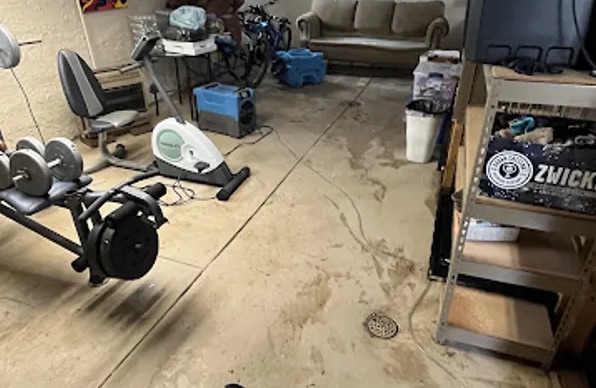
Industrial Drying Services for Marshall Properties
In Marshall, high humidity after a leak rusts machinery, ruins stock and keeps building materials wet. Industrial dehumidifiers bring it under control so drying can finish.
When flooding hits an industrial building in Marshall, drying needs to start quickly. Local water damage restoration pros also work in nearby Slater, Sweet Springs and Concordia and keep records of the water removal and drying.
Industrial Drying Services in Marshall
Commercial Water Damage Cleanup
Leaks or floods in commercial properties need high-capacity dehumidifiers. Humidity control in expansive areas targets moisture in concrete slabs and behind walls.
Disaster Recovery Drying
After a disaster in Marshall, heavy-duty drying equipment brings humidity down so repairs can start safely.
Mold Remediation Services
Mold in a commercial building indicates a deeper moisture issue. The pros use industrial dehumidifiers to create a dry environment that inhibits mold.
Structural Drying Services
Water damage restoration pros in Marshall dry the framing, walls and slabs of a wet building, including the hidden moisture that causes slow decay.
Industrial Flood Damage Restoration
Flood waters can halt production. The experts implement a phased strategy using industrial dehumidifiers and air movers. Large dehumidifiers are sized to the building volume.
Indicators for Industrial Dehumidification Services in Marshall
Elevated Humidity Levels
Sticky air and condensation on windows or metal surfaces mean humidity in the building is too high.
Equipment Rust or Corrosion
New rust on machinery or metal stock can come from damp air in the building.
Damp Insulation or Drywall
Wet materials behind walls or above ceilings stay wet for weeks without forced drying and can rot.
Soggy Inventory or Stock
Wet cardboard, damaged goods or damp raw materials mean humidity in the building is not under control.
How Industrial Dehumidification Works in Marshall
Step 1: Initial Water Damage Cleanup
Pumps and extractors remove the visible water to stop more damage and remove slip hazards.
Step 2: Establish Drying Environment
The area is closed off and dehumidifiers lower the humidity so moisture leaves the materials.
Step 3: Execute Structural Drying Plan
Air movers push air across wet surfaces so the water evaporates and the dehumidifiers collect it.
Step 4: Final Dryness Verification
The job ends when readings show the structure and contents are back to normal dryness.
Reasons for Industrial Flood Damage in Marshall
HVAC System Condensation Issues
Cooling systems that are poorly maintained or oversized can produce a lot of condensation and raise humidity.
Poor Ventilation and Airflow
Poor ventilation traps moisture from work processes and people inside the building.
Appliance Malfunctions and Overflows
Water heater failures or broken process lines can flood large areas suddenly.
Foundation Cracks and Seepage
Groundwater pushed up through cracks in slabs and walls keeps lower areas damp.
Industrial Dehumidification for Residential and Commercial Clients in Marshall
Residential Industrial Dehumidification
Storm-driven water needs fast action to save belongings and building materials. The pros extract the water 24/7 and document the damage for your claim.
Commercial Industrial Dehumidification
A flooded warehouse or production floor halts business. Fast water removal and commercial dehumidification shorten the time the space is out of use.
Industrial Dehumidification vs. DIY: When to Call the Pros
A property owner can document the first damage with photos and written notes for the insurance provider before cleanup begins. Large-scale extraction and structural drying, though, take industrial pumps, dehumidifiers and trained pros.
Industrial Dehumidification Cost in Marshall, MO
The cost of temporary dehumidification depends on the size of the building, the humidity target and whether concrete needs special drying.
Affected Square Footage
The size of the area to be dehumidified sets how much equipment and labor are needed.
Emergency Service Timing
After-hours or 24/7 calls may be billed at a different rate than a scheduled visit.
Drying Time Required
How long the dehumidifiers must run to reach dry readings is a main cost component.
Does Insurance Cover Industrial Dehumidification?
The pros create a thorough, factual record of the affected property and the required remediation steps, which the property owner can provide to their insurer.
Why Marshall Properties Need Local Pros for Industrial Dehumidification
Industrial-Grade Equipment
High-capacity dehumidifiers and air movers are sized for warehouses and other large spaces.
Comprehensive Water Removal
The work starts with removing standing water and water soaked into materials.
IICRC-Standard Drying Methods
The pros follow industry drying standards so moisture is fully removed from the structure.
24/7 Emergency Industrial Dehumidification in Marshall
Standing water left in a building can lead to mold within a day or two. Call (816) 355-6039 to reach the pros for commercial water cleanup and humidity control, any hour.
Call Now (816) 355-6039Local Industrial Dehumidification Areas: Marshall and Beyond
Other places served are listed below, each with its own page.
- Industrial Dehumidification in Slater
- Industrial Dehumidification in Sweet Springs
- Industrial Dehumidification in Concordia
- Industrial Dehumidification in Carrollton
- Industrial Dehumidification in Higginsville
- Industrial Dehumidification in Knob Noster
- Industrial Dehumidification in Lexington
- Industrial Dehumidification in Warrensburg
- Emergency Damage Restoration in 65340
- Storm Damage Restoration in 65340
- Water Damage Restoration in 65340
- Water Extraction Service in 65340
- Water Leak Detection in 65340
- Water Removal Service in 65340
Industrial Dehumidification FAQs for Marshall Property Owners
What does water damage cleanup involve?
Water extraction, moisture mapping of the building, placement of industrial dehumidifiers and air movers, daily monitoring and a final dryness check.
What is the first step in emergency water removal?
The initial critical step is extracting all standing water using truck-mounted or portable pumps and extractors.
What is structural drying?
It removes moisture soaked into building materials like concrete slabs and walls so they do not decay or grow mold.
How long does industrial flood damage restoration take?
It depends on how much water there was, what got wet and the humidity. Large jobs often take several days to a few weeks.
Why is water extraction so important?
Removing water quickly keeps it from soaking deeper, shortens drying and lowers the risk of mold and warping.