Lansing, KS · Leavenworth County
Industrial Dehumidification in Lansing, KSDisaster Recovery Drying & Warehouse Moisture Control
Get Industrial Dehumidification in Lansing for industrial flood damage restoration, warehouse moisture control, and mold remediation services.
Answered 24/7
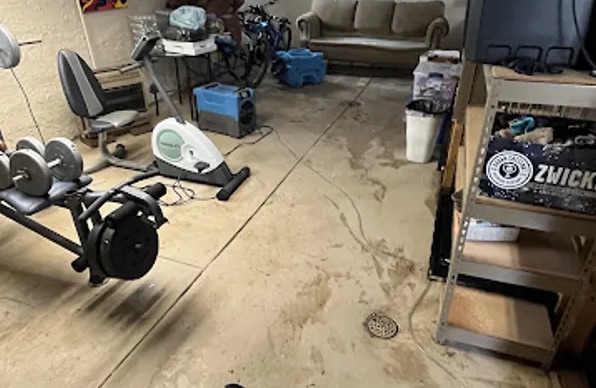
Expert Industrial Dehumidification in Lansing, KS
In Lansing, flooding in industrial buildings comes from broken supply lines, failed equipment or storms. Acting quickly limits lost work time and further damage.
Industrial dehumidification is a priority for large facilities in Lansing and nearby areas like Leavenworth, Piper and Basehor. Whether dealing with a burst pipe or ongoing humidity issues, local water damage pros apply commercial dehumidification techniques.
Industrial Flood Damage Restoration in Lansing
Disaster Recovery Drying
Disaster scenarios create complex drying challenges. The pros design a recovery plan centered on industrial dehumidification. The process involves drying contents and structure in tandem.
Warehouse Moisture Control
High warehouse humidity leads to condensation and product damage. The pros deploy industrial dehumidifiers to pull excess moisture from the air.
Structural Drying Services
When water soaks into a building's framework, surface drying is insufficient. Commercial drying experts set up a controlled environment with industrial dehumidifiers.
Mold Remediation Services
Extensive mold requires professional remediation to ensure occupant safety. Industrial dehumidification is a core part of stopping the mold lifecycle.
Emergency Water Removal
After a flood, standing water has to come out first. Pumps and extractors remove it so drying can begin.
Indicators for Industrial Dehumidification Services in Lansing
Recent Flood or Spill
A burst pipe or overflow that soaks a commercial space needs cleanup and drying right away.
Equipment Rust or Corrosion
New rust on machinery or metal stock can come from damp air in the building.
Noticeable Water Pooling
Standing water in a warehouse or industrial space needs to be removed before drying can start.
Visible Mold
Black, green or white spots on walls or contents mean humidity has been high for too long.
How Industrial Dehumidification Works in Lansing
Step 1: Site Assessment and Inspection
An inspection finds the water sources, the wet materials and how much cleanup is needed.
Step 2: Containment and Water Removal
Containment is set up if needed, then industrial extractors remove the bulk water.
Step 3: Deploy Drying Equipment
Desiccant and refrigerant dehumidifiers and air movers are placed to dry the building.
Step 4: Continuous Monitoring and Adjustment
Equipment runs around the clock, and humidity is checked so the setup can be adjusted as areas dry.
Common Causes for Industrial Dehumidification in Lansing
Appliance Malfunctions and Overflows
Water heater failures or broken process lines can flood large areas suddenly.
Roof Leaks and Storm Damage
Damaged roofing lets water in during heavy rain, wetting stock and floors below.
Fire Suppression System Activation
A sprinkler discharge can leave a large amount of water to extract and dry.
Process Water or Chemical Spills
Industrial processes that use liquids carry a constant risk of accidental spills and releases.
Residential and Commercial Industrial Dehumidification in Lansing
Residential Industrial Dehumidification
Water damage from appliance overflows, AC leaks and roof problems affects homeowners in Lansing. Pros dry the structure with dehumidifiers to remove hidden moisture.
Commercial Industrial Dehumidification
In businesses, leaks and high humidity lead to downtime and lost stock. Industrial dehumidifiers dry the facility so it can get back to work.
When to Hire Local Pros for Industrial Dehumidification in Lansing
Turning off the main water supply to stop an active leak is a sensible first step any property owner can take. Measuring how far the water spread and planning the drying, though, takes professional meters and industrial equipment.
Industrial Dehumidification Pricing in Lansing
Commercial cleanup costs for a facility in Kansas depend on how much water must be extracted and how long structural drying takes.
Emergency Service Timing
After-hours or 24/7 calls may be billed at a different rate than a scheduled visit.
Structural Material Type
Concrete, wood and steel dry differently, which changes the approach and the time.
Affected Square Footage
The size of the area to be dehumidified sets how much equipment and labor are needed.
Does Insurance Cover Industrial Dehumidification?
Coverage for industrial flood damage restoration can vary significantly between different insurance policies and providers. Property owners in Lansing should confirm specifics directly with their insurer. Pros record everything from the first moisture readings to the final dry readings for the claim file.
Benefits of Local Pros for Industrial Dehumidification in Lansing, KS
Containment Protocols
Where mold is found, barriers keep it from spreading to other parts of the building.
Humidity Reduction Systems
Dehumidifiers can stay in place until humidity in the building is stable.
Clear Process Communication
You get regular updates on drying progress and how long the job should take.
Emergency Flood Response in Lansing
Removing water early prevents more damage to the structure and lowers the mold risk. Call (816) 355-6039 any time, day or night, for help in Lansing.
Call Now (816) 355-6039Industrial Dehumidification Near Lansing: Areas Served
Businesses in Lansing rely on professional humidity control and structural drying. Service is available locally and in nearby places including Leavenworth, Piper and Basehor.
- Industrial Dehumidification in Leavenworth
- Industrial Dehumidification in Piper
- Industrial Dehumidification in Basehor
- Industrial Dehumidification in Platte City
- Industrial Dehumidification in Weatherby Lake
- Industrial Dehumidification in Bonner Springs
- Industrial Dehumidification in Tonganoxie
- Industrial Dehumidification in Edwardsville
- Emergency Damage Restoration in 66043
- Storm Damage Restoration in 66043
- Water Damage Restoration in 66043
- Water Extraction Service in 66043
- Water Leak Detection in 66043
- Water Removal Service in 66043
Industrial Drying FAQ for Lansing Clients
What happens during the property restoration process?
Property restoration involves drying structural materials, cleaning affected surfaces and contents, and sometimes repairing or replacing damaged components after water intrusion.
What are humidity reduction systems?
Dehumidifiers that stay in place to hold humidity at a set level in sensitive spaces like data centers, archives or plants after water damage.
What is the goal of disaster recovery drying?
It is drying a building after a large water loss so the business can return to normal use as soon as possible.
What does water damage cleanup involve?
Water extraction, moisture mapping of the building, placement of industrial dehumidifiers and air movers, daily monitoring and a final dryness check.
What areas need drying after a warehouse flood?
All wet areas: floors, walls, stored contents and often the subfloor and insulation as well.