Belton, MO · Cass County
Industrial Dehumidification in Belton, MODisaster Recovery Drying & Warehouse Moisture Control
Get Industrial Dehumidification in Belton for industrial flood damage restoration, warehouse moisture control, and mold remediation services.
Answered 24/7
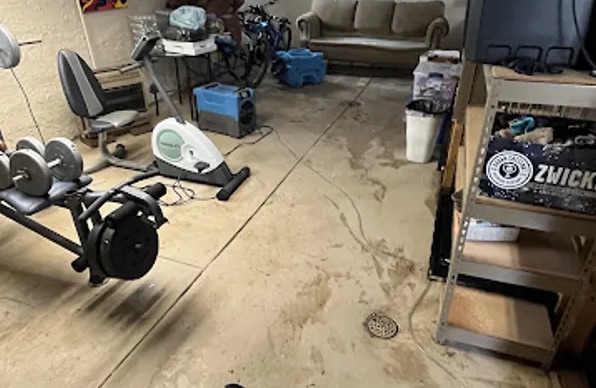
Industrial Dehumidification Solutions in Belton, Missouri
In Belton, water trapped in the walls, floors and ceilings of commercial buildings causes mold, rot and decay if it is not dried properly.
When flooding hits an industrial building in Belton, drying needs to start quickly. Local industrial dehumidification pros also work in nearby Raymore, Grandview and Stilwell and keep records of the water removal and drying.
Professional Industrial Dehumidification in Belton
Disaster Recovery Drying
After a large flood or leak, whole floors or wings of a building may need drying at once. High-capacity dehumidifiers and air movers make that possible.
Warehouse Moisture Control
High warehouse humidity leads to condensation and product damage. The pros deploy industrial dehumidifiers to pull excess moisture from the air.
Industrial Flood Damage Restoration
After a significant flood, industrial spaces need professional drying. Water damage restoration pros in Belton set up systems to dry the building structure and contents, checking readings daily.
Industrial Humidity Reduction Systems
A building may need a dedicated system for ongoing humidity. Industrial dehumidification units integrate into HVAC or operate independently.
Emergency Water Removal
Standing water poses immediate safety hazards and accelerates damage. Once the water is gone, industrial dehumidification addresses the saturated atmosphere and materials.
When to Call for Industrial Dehumidification in Belton
Damp Insulation or Drywall
Wet materials behind walls or above ceilings stay wet for weeks without forced drying and can rot.
Stained Ceilings or Walls
Yellow or brown water stains show where past leaks happened and where moisture may still be.
Soggy Inventory or Stock
Wet cardboard, damaged goods or damp raw materials mean humidity in the building is not under control.
Condensation on Pipes
Sweating pipes and ducts drip water and raise the humidity in the space even further.
How Industrial Dehumidification Works in Belton
Step 1: Initial Water Damage Cleanup
Pumps and extractors remove the visible water to stop more damage and remove slip hazards.
Step 2: Establish Drying Environment
The area is closed off and dehumidifiers lower the humidity so moisture leaves the materials.
Step 3: Execute Structural Drying Plan
Air movers push air across wet surfaces so the water evaporates and the dehumidifiers collect it.
Step 4: Final Dryness Verification
The job ends when readings show the structure and contents are back to normal dryness.
Causes of Excess Moisture Requiring Industrial Dehumidification in Belton
Fire Suppression System Activation
A sprinkler discharge can leave a large amount of water to extract and dry.
Natural Disasters and Severe Weather
Flash floods, torrential rain and other extreme events can soak large buildings and need large-scale drying.
Process Water or Chemical Spills
Industrial processes that use liquids carry a constant risk of accidental spills and releases.
HVAC System Condensation Issues
Cooling systems that are poorly maintained or oversized can produce a lot of condensation and raise humidity.
Industrial Dehumidification for Homes and Businesses in Belton
Residential Industrial Dehumidification
In homes, water from a burst pipe spreads inside walls and under floors. The pros find the wet areas with meters and dry them to save the structure and finishes.
Commercial Industrial Dehumidification
Manufacturing plants and warehouses need large-scale drying after a major water incident. Drying brings the space back to the humidity levels production requires.
When to Hire Local Pros for Industrial Dehumidification in Belton
Opening windows can help with minor humidity in a small room. Controlling humidity in a large commercial space with stock or equipment usually takes industrial dehumidifiers.
Industrial Dehumidification Cost in Belton, MO
Commercial cleanup costs for a facility in Missouri depend on how much water must be extracted and how long structural drying takes.
Structural Material Type
Concrete, wood and steel dry differently, which changes the approach and the time.
Access Complexity
Hard-to-reach areas in a warehouse or plant take longer to set up equipment in.
Water Contamination Level
Clean, gray and black water need different safety steps and cleanup methods.
Does Insurance Cover Industrial Dehumidification?
The pros create a thorough, factual record of the affected property and the required remediation steps, which the property owner can provide to their insurer.
Advantages of Hiring Local Pros for Industrial Dehumidification in Belton
Comprehensive Water Removal
The work starts with removing standing water and water soaked into materials.
Detailed Moisture Documentation
Meters and sensors track humidity and moisture, so you can see drying progress day by day.
Structural Material Knowledge
Concrete, wood and drywall dry at different rates, and the plan accounts for each.
Emergency Water Damage Services in Belton
When dehumidifiers need to go in fast after a disaster, call (816) 355-6039. The pros in Belton are available 24/7 for industrial drying.
Call Now (816) 355-6039Industrial Dehumidification Available Throughout Belton, Raymore, Grandview and Stilwell
Industrial drying for plants and warehouses is available in Belton and in nearby Raymore, Grandview and Stilwell.
- Industrial Dehumidification in Raymore
- Industrial Dehumidification in Grandview
- Industrial Dehumidification in Stilwell
- Industrial Dehumidification in Peculiar
- Industrial Dehumidification in Greenwood
- Industrial Dehumidification in Bucyrus
- Industrial Dehumidification in Leawood
- Industrial Dehumidification in Overland Park
- Emergency Damage Restoration in 64012
- Storm Damage Restoration in 64012
- Water Damage Restoration in 64012
- Water Extraction Service in 64012
- Water Leak Detection in 64012
- Water Removal Service in 64012
Industrial Dehumidification Common Questions Answered
Does all water require the same cleanup approach?
No. Clean water from a supply line, gray water from appliances and black water from sewage each need different safety and cleanup steps.
What happens during the property restoration process?
Property restoration involves drying structural materials, cleaning affected surfaces and contents, and sometimes repairing or replacing damaged components after water intrusion.
What is the first step in emergency water removal?
The initial critical step is extracting all standing water using truck-mounted or portable pumps and extractors.
How is drying progress monitored?
The pros take moisture readings from materials and the air each day and keep drying logs that show progress.
What are humidity reduction systems?
Dehumidifiers that stay in place to hold humidity at a set level in sensitive spaces like data centers, archives or plants after water damage.