Trusted by 135+ Homeowners
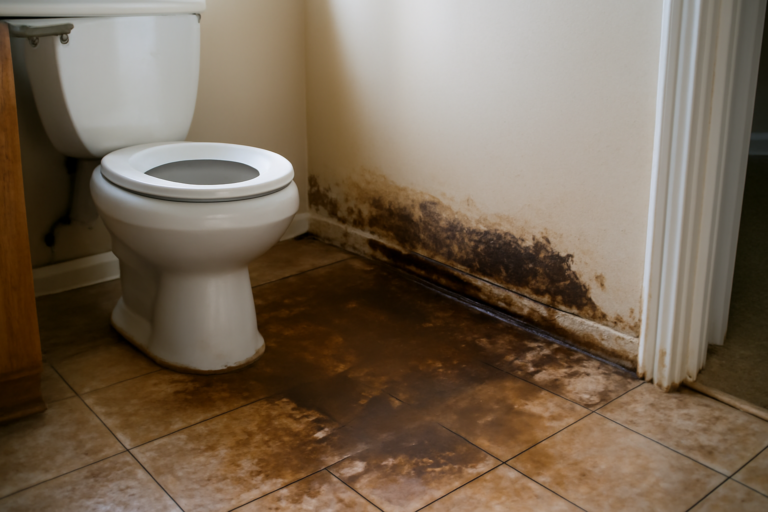
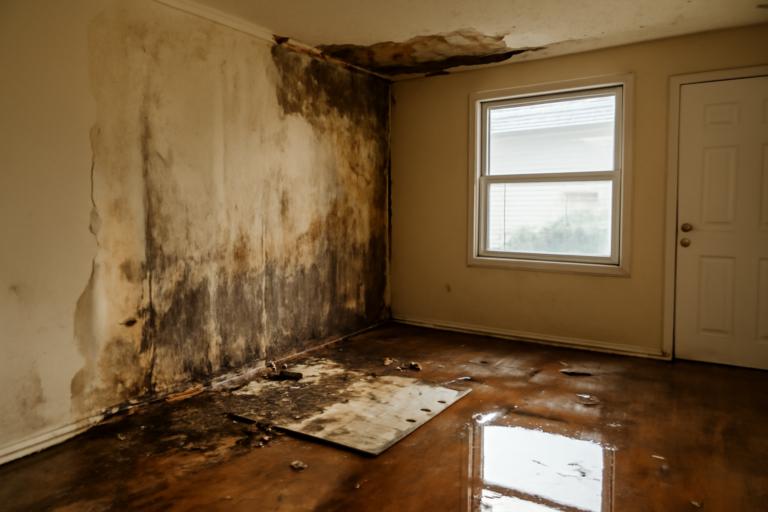
HVAC Leak Water Removal in Williamsburg, KS
- Over 136 5-Star Reviews
- Free Estimates and Quotes
- 100% Satisfaction Guaranteed
- Child, Family & Pet Safe Steps
- 24-Hour Emergency Service
- Fully Licensed & Insured

Water Damage from HVAC Leaks in Williamsburg, KS: What You Need to Know
Did you know that water damage from HVAC leaks is one of the most common insurance claims in the US? In fact, a staggering 70% of water damage claims involve HVAC-related issues. As a homeowner in Williamsburg, KS, it’s essential to be aware of the risks and know what to do when disaster strikes. Our team of experts has seen firsthand the devastating effects of delayed or inadequate water removal, and we’re here to guide you through the process.
With over 165+ five-star reviews, our team has earned the trust of local homeowners who know that we’ll handle their HVAC leak water removal with the care and attention to detail it deserves. We understand that every situation is unique, and we’ll work closely with you to document the damage and navigate the insurance claims process.
- Fast response times: We’ll arrive within 60 minutes to assess the damage and start the water removal process.
- Expert equipment: Our team uses state-of-the-art equipment to extract water, dry the area, and prevent further damage.
- Insurance expertise: We’ll work with your insurance company to ensure a smooth claims process and get you the compensation you deserve.
How Our Team Handles HVAC Leak Water Removal
The key to successful water removal lies in a thorough and meticulous process. Our team follows a strict protocol to ensure that every step is completed correctly, from assessing the damage to finalizing the repairs. We know that corners can’t be cut with water removal, or you’ll be left with lingering moisture and the risk of mold growth.
Step 1: Assessment and Planning
Our team will arrive at your property to assess the damage and create a customized plan for water removal. We’ll identify the source of the leak, find out the extent of the damage, and develop a strategy for extraction and drying. Our technicians will use specialized equipment to detect hidden moisture and ensure that every area is treated.
Step 2: Water Extraction
Using powerful pumps and vacuums, our team will extract as much water as possible from the affected area. We’ll work quickly to prevent further damage and reduce the risk of mold growth. Our equipment is designed to handle even the largest water removal jobs, and we’ll make sure that every drop is accounted for.
Step 3: Drying and Dehumidification
After the water has been extracted, our team will use specialized equipment to dry the area and reduce humidity levels. We’ll place dehumidifiers and air movers to speed up the drying process and prevent further damage. Our technicians will monitor the area closely to ensure that the drying process is completed correctly.
Step 4: Repair and Restoration
Once the area is dry, our team will work with you to repair and restore your property. We’ll identify any structural damage or compromised materials and make the necessary repairs to ensure that your home is safe and secure. Our technicians are skilled in a range of repair techniques, from drywall and flooring to trim and painting.
Don’t wait, act quickly to prevent further damage and reduce the risk of mold growth. Contact us today to schedule your HVAC leak water removal and get your property back to normal.
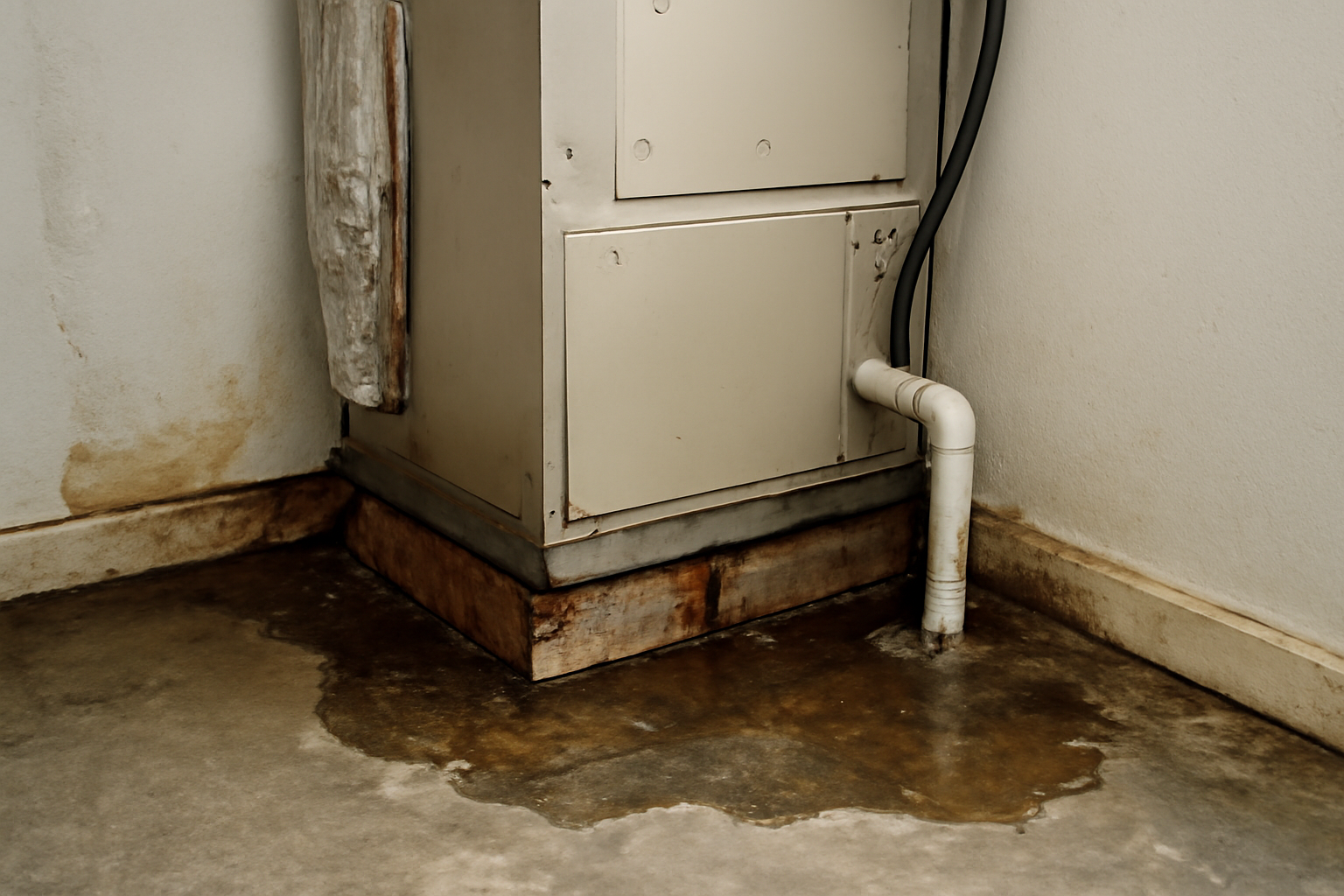
Warning Signs You Need HVAC Leak Water Removal
Ignoring the warning signs of an HVAC leak can lead to costly repairs and even health risks. Be aware of these common indicators and don’t delay in seeking professional help:
Musty Odors That Won’t Go Away
Unpleasant odors can be a sign of moisture buildup in your HVAC system. If the smell persists, it may be a sign of a more serious issue, such as mold growth or water damage. Don’t ignore the smell, investigate the source and take action to prevent further damage.
Water Stains on Ceilings or Walls
Visible water stains on your ceilings or walls can show a leak in your HVAC system. Don’t assume it’s just a minor issue, it may be a sign of a more serious problem that needs immediate attention.
Increased Energy Bills
Unexpected increases in your energy bills can be a sign of an inefficient HVAC system. If your bills are higher than usual, it may be a sign of a leak or other issue that’s driving up your costs.
Ice or Frost on Your Vents
Ice or frost on your vents can show a refrigerant leak or other issue with your HVAC system. Don’t ignore the problem, seek professional help to prevent further damage.
Unusual Noises or Vibration
Unusual noises or vibration from your HVAC system can be a sign of a leak or other issue. Don’t delay in seeking professional help to prevent further damage.
Visible Water Leaks
Visible water leaks from your HVAC system can be a sign of a serious issue. Don’t ignore the problem, take action to prevent further damage and reduce the risk of mold growth.
HVAC Leak Water Removal vs. DIY: When to Call a Professional
| Situation | DIY? | Call a Pro? | Why |
|---|---|---|---|
| Small water spill (less than 100 sq. Ft.) | Yes | No | DIY is fine for small spills, but be sure to act quickly and follow proper drying procedures. |
| Large water spill (over 100 sq. Ft.) | No | Yes | Large water spills need professional equipment and expertise to prevent further damage and reduce the risk of mold growth. |
| Visible water leaks from HVAC system | No | Yes | Visible water leaks from your HVAC system need immediate attention to prevent further damage and reduce the risk of mold growth. |
| Musty odors or water stains on ceilings or walls | No | Yes | Unpleasant odors or water stains can be a sign of a more serious issue, such as mold growth or water damage. Don’t delay in seeking professional help. |
| Ice or frost on vents | No | Yes | Ice or frost on your vents can show a refrigerant leak or other issue with your HVAC system. Don’t ignore the problem, seek professional help to prevent further damage. |
| Unusual noises or vibration from HVAC system | No | Yes | Unusual noises or vibration from your HVAC system can be a sign of a leak or other issue. Don’t delay in seeking professional help to prevent further damage. |
With HVAC leak water removal, don’t gamble with your property’s safety and security. Call a professional to prevent further damage, reduce the risk of mold growth, and ensure that your home is safe and secure.
HVAC Leak Water Removal Cost in Williamsburg, KS
The cost of HVAC leak water removal can vary based on the severity of the damage, the size of the affected area, and local conditions in Williamsburg, KS. As a general estimate, you can expect to pay between $500 and $2,500 for water removal services. But, the final cost will depend on the specifics of your situation and the level of damage.
| Service | Typical Price Range | What Affects Cost |
|---|---|---|
| Water extraction and removal | $500 – $1,500 | The size of the affected area and the amount of water extracted |
| Drying and dehumidification | $200 – $1,000 | The size of the affected area and the level of moisture present |
| Repair and restoration | $1,000 – $5,000 | The extent of the damage and the materials required for repair |
| Equipment rental and disposal | $100 – $500 | The type and quantity of equipment required |
| Insurance claims help | $0 – $500 | The complexity of the claims process and the level of help required |
The final cost of HVAC leak water removal will depend on the specifics of your situation and the level of damage. We offer free estimates and on-site assessments to provide you with an accurate quote and ensure that you’re prepared for the costs involved.
Service Areas Near Williamsburg, KS
We serve the following nearby communities: Lawrence, Eudora, Baldwin City, Lecompton, Tonganoxie, Basehor, Bonner Springs, Edwardsville, Shawnee, Overland Park, Lenexa, Olathe, Spring Hill, Gardner, De Soto, Leavenworth, Lansing, Leavenworth County, Douglas County, Johnson County.
Common Questions About HVAC Leak Water Removal
Q: What causes HVAC leaks?
A: HVAC leaks can be caused by a variety of factors, including refrigerant leaks, condensate line clogs, and faulty coils. Our team will work with you to identify the source of the leak and provide a customized solution.
Q: How long does it take to remove water from my home?
A: The time it takes to remove water from your home depends on the size of the affected area and the level of moisture present. Our team will work quickly to extract as much water as possible and speed up the drying process.
Q: Can I use a wet/dry vacuum to remove water from my home?
A: While a wet/dry vacuum can be helpful in removing some water, it’s not a substitute for professional equipment and expertise. Our team has the right tools and training to ensure that every drop of water is accounted for and that your home is safe and secure.
Q: Will my insurance cover the cost of HVAC leak water removal?
A: It depends on the specifics of your policy and the circumstances surrounding the leak. Our team will work with you and your insurance company to ensure that you receive the compensation you deserve.
Q: Can I prevent HVAC leaks from happening in the first place?
A: Yes, regular maintenance and inspections can help prevent HVAC leaks from occurring. Our team offers a range of maintenance services to keep your HVAC system running smoothly and prevent costly repairs.
Check Our Other Relevant Services

Meet Aubrey Marquette
With over 20 years of hands-on experience, Aubrey Marquette is a veteran leader in the property recovery industry. As a licensed Damage Restoration Expert, he blends technical mastery with a compassionate approach to help homeowners navigate their most challenging moments.
𝗖𝗲𝗿𝘁𝗶𝗳𝗶𝗰𝗮𝘁𝗶𝗼𝗻𝘀: Aubrey holds elite IICRC certifications in Water Damage Restoration (WRT), Applied Structural Drying (ASD), Mold Remediation (AMRT), Fire and Smoke Restoration (FSRT), and Odor Control (OCT).
𝗙𝗮𝘃𝗼𝗿𝗶𝘁𝗲 𝗣𝗮𝘀𝘁𝗶𝗺𝗲: When off the clock, Aubrey enjoys restoring vintage woodworking tools and exploring coastal hiking trails.
𝗕𝗲𝘀𝘁 𝗣𝗮𝗿𝘁 𝗼𝗳 𝘁𝗵𝗲 𝗷𝗼𝗯: Aubrey finds the most fulfillment in witnessing the “moment of relief” when a family safely returns to their restored home, knowing he has provided them with a fresh start and peace of mind.