Basehor, KS · Leavenworth County
High-Velocity Air Mover Drying in Basehor, KSWall Cavity Drying & Commercial Building Air Mover Drying
High-Velocity Air Mover Drying in Basehor includes wall cavity drying, hardwood floor drying and basement water drying.
Answered 24/7
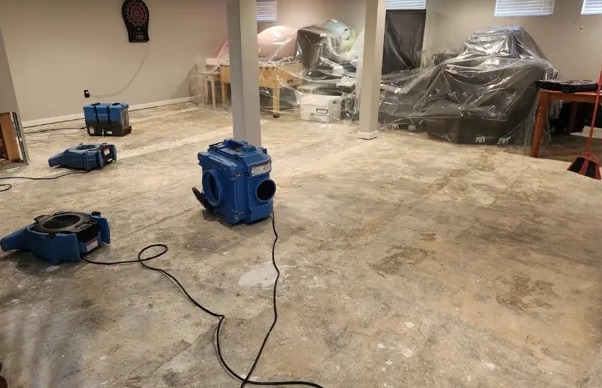
High-Velocity Air Mover Drying for Basehor Homes and Businesses
After any water damage in Basehor, drying decides how much material can be saved. The faster water evaporates, the sooner the space can be used again.
Help with high-velocity air mover drying is a vital resource for homes and commercial properties throughout Basehor and nearby areas like Piper, Bonner Springs and Lansing following water incidents. Local water removal experts apply these rapid drying methods to address saturation in carpets, wall cavities, and subfloors, common issues in the area's structures.
Tailored High-Velocity Air Mover Drying for Basehor Properties
Wall Cavity Drying
Water trapped in a wall needs airflow inside the cavity, which is standard practice when drying water-damaged walls.
Commercial Building Air Mover Drying
In commercial spaces, air movers are placed along stockrooms and main halls so drying covers every wet area with little disruption.
Equipment Assisted Drying
Air movers are one part of a drying system. Dehumidifiers and moisture readings make sure the materials actually reach their drying goals.
Residential Flood Drying Services
In homes, air movers set up directed airflow that draws water out of drywall, wood and carpet pad.
Hardwood Floor Drying
Hardwood reacts badly to water left in it. Air movers set at a gentle angle dry the surface steadily to limit cupping and warping.
Warning Signs Requiring High-Velocity Air Mover Drying
Efflorescence on Concrete Surfaces
White, powdery deposits on basement walls or floors are minerals left by evaporating water, a sign of ongoing moisture.
Musty Odors After Water Damage
A musty smell in a room often means hidden moisture that should be dried before mold starts.
Visible Warping or Buckling Floors
Warped or buckled wood floors or baseboards mean moisture is trapped in the wood or the subfloor beneath.
High Humidity in a Specific Area
A humid or clammy feel in one room points to water that has not dried out.
How High-Velocity Air Mover Drying Works in Basehor
Step 1: Water Extraction and Source Removal
Any standing water left is removed first, since air movers work only after extraction.
Step 2: Deployment of High-Velocity Air Movers
Air movers push fast-moving air across wet materials so the water evaporates sooner.
Step 3: Continuous Moisture Monitoring
Moisture in materials and the air is checked often, and the equipment is moved as areas dry.
Step 4: Final Dry Standard Confirmation
The job ends when all readings confirm the walls, floors and framing are dry.
What Leads to Needing High-Velocity Air Mover Drying in Basehor
Human Error and Accidental Spills
Overflowing bathtubs, sink mishaps, or other indoor accidents introduce water that can soak into materials.
Improper Grading and Poor Drainage
Ground that slopes toward the foundation sends rain at the walls and keeps them damp.
Roof Leaks From Storm Damage
Wind-driven rain, missing shingles or damaged flashing can let water into attics and walls.
Plumbing Leaks and Pipe Bursts
A sudden pipe failure or slow leak from supply lines, drains, or appliances can flood areas quickly.
High-Velocity Air Mover Drying for Homes and Businesses in Basehor
Residential High-Velocity Air Mover Drying
In homes, drying saves belongings and keeps damage from spreading. Air movers are aimed at attics, crawl spaces and living areas wherever water reached.
Commercial High-Velocity Air Mover Drying
Office buildings and facilities use commercial air mover drying to meet reopening timelines. Air movers can be aimed at spaces behind fixed installations and in complex layouts.
The Limits of DIY for High-Velocity Air Mover Drying Needs
After removing surface water, you can dehumidify the space with a residential dehumidifier to help reduce ambient humidity. This can aid in preventing condensation on cool surfaces. Ensure the unit is sized appropriately for the space.
Factors in High-Velocity Air Mover Drying Pricing for Basehor
The cost of drying depends on how wet the materials were, how easily they release water and the drying goals. A larger leak needs more equipment and costs more.
Drying Time Required
The number of days the equipment runs to reach normal dryness affects labor, monitoring and equipment costs.
Ancillary Dehumidification Need
Dehumidifiers are usually needed alongside air movers, adding equipment to the setup.
Material Permeability
Dense materials like concrete or hardwood dry slowly and need more equipment time.
Does Insurance Cover High-Velocity Air Mover Drying?
Insurance may cover air mover drying service if the water damage is sudden and accidental, like from a burst pipe. Water removal experts provide detailed documentation of moisture levels and drying progress for the insurer.
Advantages of High-Velocity Air Mover Drying by Local Pros in Basehor
Sequential Drying Process
Drying follows a set order: extraction first, then air movement and dehumidification.
Focused Airflow Management
Air movers are placed so air flows across every wet surface, not just the middle of the room.
Comprehensive Damage Documentation
Logs and photos of moisture levels support your insurance claim for the drying.
Round-the-Clock High-Velocity Air Mover Drying for Basehor
An after-hours flood still needs drying right away, because wet materials keep absorbing water overnight. Call (816) 355-6039 for emergency high-velocity air mover drying, any day of the week.
Call Now (816) 355-6039High-Velocity Air Mover Drying Availability in Basehor and Nearby
Homes and businesses in Basehor and nearby Piper, Bonner Springs and Lansing can get structural drying with commercial air movers.
- High-Velocity Air Mover Drying in Piper
- High-Velocity Air Mover Drying in Bonner Springs
- High-Velocity Air Mover Drying in Lansing
- High-Velocity Air Mover Drying in Tonganoxie
- High-Velocity Air Mover Drying in Edwardsville
- High-Velocity Air Mover Drying in Linwood
- High-Velocity Air Mover Drying in Leavenworth
- High-Velocity Air Mover Drying in Clearview City
- Emergency Damage Restoration in 66007
- Storm Damage Restoration in 66007
- Water Damage Restoration in 66007
- Water Extraction Service in 66007
- Water Leak Detection in 66007
- Water Removal Service in 66007
Your High-Velocity Air Mover Drying Questions Addressed
Why is rapid drying equipment necessary after a flood?
Fast drying stops the damage from spreading and prevents mold, which can start within a day or two.
What is involved in wall cavity drying?
Pros use air movers directed at wall surfaces and often create strategic ventilation to dry moisture trapped inside walls.
How does air mover drying differ from fans?
Commercial air movers push a focused stream of air much stronger than a box fan, made for drying building materials.
What is high-velocity air mover drying?
It is drying with powerful fans that push fast-moving air across wet surfaces, so water evaporates faster after water damage.
What does equipment assisted drying include?
It means drying with professional tools like air movers, dehumidifiers and moisture meters instead of waiting for the room to dry naturally.