ZIP 66111 · Kansas City, KS · Wyandotte County
Emergency Damage Restoration in 66111Flood Damage Cleanup & Firefighting Water Cleanup
Get emergency damage restoration in Kansas City for emergency water removal, flood damage cleanup and storm damage repair.
Answered 24/7
Emergency Damage Restoration Experts Serving ZIP 66111, KS
A fire in Kansas City leaves water damage behind as well. Firefighters may use a lot of water, and it soaks ceilings, walls and floors well beyond the burned area.
In Kansas City, emergency water calls come at all hours, often after storms or plumbing failures. Local emergency damage restoration pros serve Kansas City, Westwood, Roeland Park and Parkville, from water removal to drying and repairs.
Comprehensive Emergency Damage Restoration Services for 66111
Flood Damage Cleanup
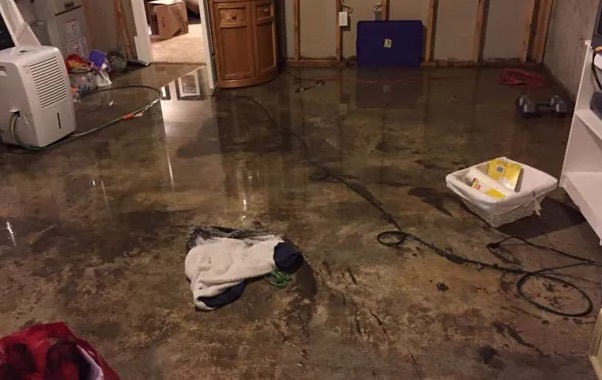
Floodwater from outside is pumped out, mud and debris are cleared and soaked porous materials are removed before drying begins.
Firefighting Water Cleanup
After a fire, firefighting water soaks ceilings, walls and floors well beyond the burned area. That water is extracted and those rooms are dried.
Emergency Water Extraction
When water is spreading, pumps and extractors go in as soon as the source is shut off, pulling water from floors, carpet and low spots first.
Storm Damage Repair
Storm damage is photographed before and during cleanup, which helps with the insurance claim and repair planning.
Sewage Backup Cleanup
After extraction, every surface the sewage touched is cleaned and disinfected before drying equipment goes in.
Warning Signs You Need Emergency Damage Restoration
Discolored or Sagging Ceilings
A ceiling that is stained, bulging or sagging is holding water and may fall. Keep people clear.
Water Damage After a Fire
Wet ceilings, walls and floors in rooms around a fire need extraction and drying even if they did not burn.
Warped or Buckling Flooring
Flooring that cups, buckles or lifts at the seams has water trapped underneath it.
High Indoor Humidity Levels
A home or office that feels humid and clammy after a leak still has wet materials releasing moisture.
How Emergency Damage Restoration Works in 66111
Step 1: Initial Inspection and Documentation
Photos and readings record the damage before cleanup begins, for insurance and planning.
Step 2: Emergency Water Extraction Services
Extraction continues room by room until no standing water remains anywhere in the building.
Step 3: Drying and Monitoring
Readings are logged daily, and equipment is moved as each area dries.
Step 4: Final Sanitization and Odor Removal
Affected areas are cleaned, and lingering odors are traced and treated before handover.
Leading Causes of Emergency Damage in 66111
Roof Leaks From Storm Damage
Storm-damaged roofs let rain pour into attics, ceilings and the rooms below.
Burst or Leaking Pipes
Pipes can crack or burst from age, pressure or cold weather, releasing water quickly.
Foundation Cracks and Seepage
Foundation cracks let groundwater seep into lower levels and finished rooms after heavy rain.
Sewer Line Blockages or Failures
Blocked or broken sewer lines push wastewater up into floor drains, tubs and toilets.
Residential and Commercial Emergency Damage Restoration in 66111
Residential Emergency Damage Restoration
In homes, emergencies usually start with a burst pipe, a storm leak or a sewer backup. Water is extracted, belongings protected and the house dried so the family can return to normal.
Commercial Emergency Damage Restoration
In businesses, water emergencies can close the doors. Extraction and drying are planned to reopen parts of the space as soon as it is safe.
Handling Damage: DIY vs. Calling Local Pros in 66111
Do not walk into standing water if outlets or cords are submerged. Turn off power at the panel only if you can reach it from a dry spot, then call (816) 355-6039.
Understanding Emergency Damage Restoration Costs in 66111
After-hours calls, contents handling, roof tarping and drywall removal all add to the total for emergency damage restoration in Kansas City.
Access Complexity
Multi-story buildings, crawl spaces and attics take more time to reach and work in.
Secondary Damage
Damage that spread because water sat for days adds more materials to remove and replace.
Equipment Needs
The number of pumps, extractors, air movers and dehumidifiers needed affects the total cost.
Does Insurance Cover Emergency Damage Restoration?
Photos, moisture readings and drying logs from the pros help support an insurance claim for emergency water damage in Kansas City.
Selecting Local Pros for Your Emergency Damage Restoration Needs in 66111
Step by Step
Work follows a set order: stop the water, extract, remove what cannot be saved, dry and confirm.
Detailed Damage Documentation
Photos, readings and drying logs are kept from the first visit to support your insurance claim.
Damage Assessment
The whole affected area is checked, including rooms next to and below the source.
Round-the-Clock Emergency Damage Restoration in 66111
Every hour water sits, the damage grows. Call (816) 355-6039 for emergency damage restoration in Kansas City at any time, including nights and holidays.
Call Now (816) 355-6039Communities Served for Emergency Damage Restoration Near 66111
Emergency water cleanup also covers homes and businesses in Westwood, Roeland Park and Parkville, close to Kansas City, day or night.
Your Emergency Damage Restoration Questions Addressed
What is a tarp used for after storm damage?
Covering roof openings or broken windows to keep more rain out while the inside is extracted and dried.
How long do structural drying services take?
Often several days, depending on the materials, how long they were wet and how much water there was.
What is involved in emergency water extraction?
Stopping the water, making power safe, pumping and extracting standing water and starting drying.
What makes a water damage situation an emergency?
Water that is still spreading, sewage, sagging ceilings, water near electrical systems or flooding in several rooms.
When is removal of mold needed after water damage?
When materials stayed wet long enough for mold to appear. Fast drying usually prevents it.