Overland Park, KS · Johnson County
Desiccant Dehumidification in Overland Park, KSMold Prevention Drying & Basement Dehumidification
Desiccant Dehumidification in Overland Park includes water damage dehumidification, construction drying services and mold prevention drying.
Answered 24/7
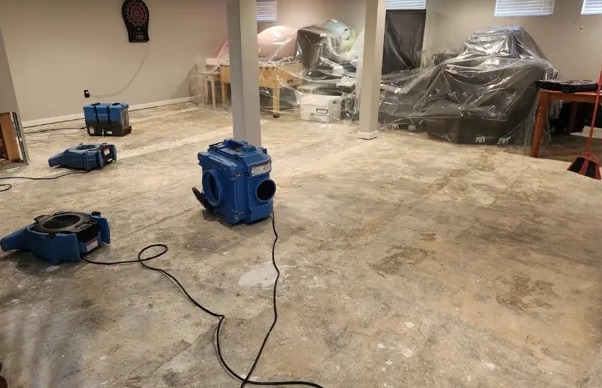
Professional Desiccant Dehumidification in Overland Park, KS
Crawl spaces in Overland Park are cool, damp and tight, which slows drying with standard equipment. Desiccant units push dry air in to pull moisture from the joists and subfloor.
In Overland Park, desiccant drying is often used in crawl spaces and large buildings after floods. Local moisture removal pros serve Overland Park, Merriam, Prairie Village and Leawood, choosing equipment based on readings.
Desiccant Dehumidification Options Available in Overland Park
Mold Prevention Drying
Drying continues until readings on the remaining framing are normal, before walls are closed up again.
Basement Dehumidification
Basement concrete and framing release water slowly. Desiccant drying keeps humidity low so they can dry in a reasonable time.
Emergency Dehumidification
Help is available any hour to set up drying equipment after a leak or flood, so moisture does not sit overnight in materials.
Construction Drying Services
Construction drying speeds up schedules by lowering humidity so slabs and drywall reach the moisture levels flooring and paint need.
Flood Drying Services
Flood drying pairs desiccant units with air movers aimed at wet materials, with readings taken every day until the structure is dry.
Symptoms Requiring Desiccant Dehumidification in Overland Park
Efflorescence on Masonry Surfaces
White, powdery deposits on masonry show water moving through concrete or block.
Active Mold Spots
Dark spots appearing on walls or ceilings mean materials stayed damp long enough for mold.
Spongy Drywall or Soft Spots
Drywall that feels soft or spongy has absorbed water and may need removal if it does not dry.
Warped Wood Floors or Trim
Wood floors or trim that cup or warp after a leak are still taking on moisture.
How Desiccant Dehumidification Works in Overland Park
Step 1: Initial Damage Inspection
Humidity and moisture readings are taken across the affected area to set the drying plan.
Step 2: Deployment of Drying Equipment
Desiccant or standard dehumidifiers and air movers are placed based on the space and readings.
Step 3: Monitored Drying Cycle
Readings are logged daily, and equipment is moved or adjusted as each material dries.
Step 4: Completion and Clearance
Final readings confirm materials are dry, and the space is cleared for repairs.
What Leads to Humidity Damage Needing Desiccant Dehumidification in Overland Park
Groundwater Rise After Heavy Rains
Groundwater rising after long rains keeps crawl spaces and lower levels damp.
Roof Leaks From Damaged Shingles
Roof leaks from damaged shingles soak attic insulation, roof decking and the ceilings below.
Foundation Cracks and Seepage
Foundation cracks let groundwater seep into lower levels, keeping walls and floors damp.
Plumbing Leaks or Pipe Bursts
Burst pipes and leaking supply lines soak walls and floors that then need drying.
Residential and Commercial Desiccant Dehumidification in Overland Park
Residential Desiccant Dehumidification
In homes, desiccant drying is most often used in crawl spaces and cool lower levels after leaks or floods. Standard units are used in warm rooms where they work well.
Commercial Desiccant Dehumidification
In commercial buildings, high-capacity desiccant units can dry large floors and high-ceiling spaces after sprinkler leaks or floods, with drying planned around business hours.
Desiccant Dehumidification vs. DIY: When to Call the Pros
You can run your own dehumidifier and keep the wet room closed. Drying soaked materials in a crawl space or cool lower level usually needs commercial equipment.
What Affects Desiccant Dehumidification Cost in Overland Park
Large commercial buildings and construction sites in Overland Park may need high-capacity units and ducting, which affects the total.
Affected Area Size
Larger affected areas need more drying units and more air movers running at once.
Duration of Equipment Use
Drying usually takes several days, and each day of equipment use adds to the total.
Access and Complexity
Crawl spaces, tight areas and large buildings take more effort to set up and monitor.
Does Insurance Cover Desiccant Dehumidification?
Construction drying on a new build is usually a project cost rather than an insurance claim. Ask your builder how it is handled.
Why Choose Local Pros for Desiccant Dehumidification in Overland Park
Large Projects
Large buildings and job sites get drying plans that keep work and business moving.
Desiccant Equipment
Desiccant units are used where they fit, such as cool spaces, crawl spaces and large buildings.
Industry Drying Standards
Drying follows industry water damage standards, with readings taken at every visit.
24/7 Desiccant Dehumidification for Overland Park Emergencies
Crawl space or lower level wet after a storm? Call (816) 355-6039 now for desiccant dehumidification in Overland Park before the framing stays damp.
Call Now (816) 355-6039Desiccant Dehumidification Throughout Johnson County, Merriam, Prairie Village and Leawood
Help with desiccant dehumidification reaches Merriam, Prairie Village and Leawood, plus other communities around Overland Park, for houses, apartments and large buildings.
- Desiccant Dehumidification in Merriam
- Desiccant Dehumidification in Prairie Village
- Desiccant Dehumidification in Leawood
- Desiccant Dehumidification in Shawnee
- Desiccant Dehumidification in Mission
- Desiccant Dehumidification in Lenexa
- Desiccant Dehumidification in Mission Hills
- Desiccant Dehumidification in Fairway
- Emergency Damage Restoration in 66204
- Storm Damage Restoration in 66204
- Water Damage Restoration in 66204
- Water Extraction Service in 66204
- Water Leak Detection in 66204
- Water Removal Service in 66204
- Emergency Damage Restoration in 66207
- Storm Damage Restoration in 66207
Frequently Asked Questions About Desiccant Dehumidification
Why use desiccant drying after a fire?
Firefighting water soaks large areas, and high-capacity drying helps remove that moisture once debris is cleared.
How long does crawl space drying typically take?
Often several days, depending on how wet the framing is and how cool and damp the space stays.
What happens after desiccant dehumidification is complete?
Final readings are recorded, equipment is removed and the space is ready for repairs or finishes.
How are moisture levels monitored during drying?
With hygrometers for air and moisture meters for drywall, wood and concrete, checked every day.
Can desiccant dehumidification help prevent mold?
Yes. Lowering humidity and drying materials quickly is one of the main ways to keep mold from starting.