Lawrence, KS · Douglas County
Desiccant Dehumidification in Lawrence, KSMold Prevention Drying & Basement Dehumidification
After a flood, Desiccant Dehumidification in Lawrence means flood drying services, emergency dehumidification and water damage dehumidification.
Answered 24/7
Desiccant Dehumidification Solutions in Lawrence, Kansas
After water damage in Lawrence, dry air pulls moisture out of wet materials. The drier the air, the faster walls, floors and framing give up their water.
In Lawrence, Eudora, Linwood and Tonganoxie, builders sometimes need slabs and drywall dried before flooring goes in. The pros lower humidity on the job site to speed that up.
Comprehensive Desiccant Dehumidification for Lawrence
Mold Prevention Drying
Drying an area quickly after affected materials are removed limits regrowth. Desiccant units help reach low humidity in closed work areas.
Basement Dehumidification
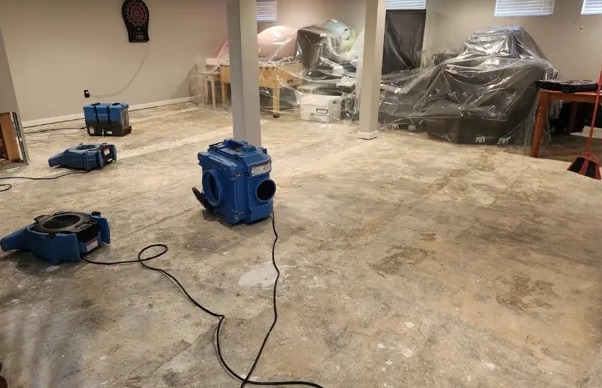
Once readings show the basement is dry, equipment is removed and the space is ready for repairs.
Emergency Dehumidification
Equipment is sized to the space on the first visit and adjusted each day based on readings.
Firefighting Water Drying
Firefighting water can soak several rooms at once. Large drying setups remove that moisture so repairs can begin.
Flood Drying Services
After floodwater is pumped out, desiccant dehumidifiers can bring the air to very low humidity, which pulls moisture out of walls, floors and framing faster.
Warning Signs You Need Desiccant Dehumidification in Lawrence
Spongy Drywall or Soft Spots
Drywall that feels soft or spongy has absorbed water and may need removal if it does not dry.
Visible Condensation on Windows
Windows that fog or drip inside show the air holds too much moisture for materials to dry.
Strong Damp Odor in Rooms
A damp smell that stays in a room after cleanup means materials there are still holding moisture.
Active Mold Spots
Dark spots appearing on walls or ceilings mean materials stayed damp long enough for mold.
How Desiccant Dehumidification Works in Lawrence
Step 1: Emergency Moisture Evaluation
The wet area is mapped and the right size and type of dehumidifier is chosen.
Step 2: High-Capacity Setup
Large desiccant units are placed for big spaces or cool areas where standard units struggle.
Step 3: Active Drying Cycle
Dry air is moved across wet materials, with daily readings to track progress.
Step 4: Completion and Insurance Records
Final readings and daily drying logs are compiled into a record for your insurer.
Sources of Moisture Requiring Desiccant Dehumidification in Lawrence
New Construction Moisture Trapped
New concrete, drywall mud and framing on job sites hold moisture until they are dried.
HVAC System Condensation Issues
Clogged AC drain lines overflow into attics, closets and the ceilings below them.
Foundation Cracks and Seepage
Foundation cracks let groundwater seep into lower levels, keeping walls and floors damp.
Poor Ventilation in Enclosed Areas
Closed, poorly ventilated spaces trap moisture and dry very slowly after water damage.
Desiccant Dehumidification for All Property Types in Lawrence
Residential Desiccant Dehumidification
Homeowners with damp basements may need desiccant drying after a flood because cool concrete and air slow standard units.
Commercial Desiccant Dehumidification
Warehouses with large slabs and stock need humidity kept low during drying to protect inventory and dry the concrete.
The Limits of DIY Desiccant Dehumidification in Lawrence
Buying a moisture meter can help you check walls after a small leak. For larger damage, readings from local drying pros confirm when materials are truly dry.
Factors in Desiccant Dehumidification Pricing for Lawrence
In Lawrence, starting drying right after a leak or flood usually shortens the job and lowers the total equipment cost.
Number of Dehumidifiers
The number and size of dehumidifiers needed for the space is a major part of the cost.
Affected Area Size
Larger affected areas need more drying units and more air movers running at once.
Additional Restoration Steps
Extraction, material removal and cleaning before drying are separate steps that add to the total.
Does Insurance Cover Desiccant Dehumidification?
Insurers often want proof that drying was needed and that it worked. Starting and final moisture readings from the job show both.
Advantages of Hiring Local Pros in Lawrence for Desiccant Dehumidification
Damage Assessment
The full affected area is checked, including rooms next to and below the source.
Targeted Drying
Equipment is placed for the specific materials and spaces that are wet.
Desiccant Equipment
Desiccant units are used where they fit, such as cool spaces, crawl spaces and large buildings.
24/7 Desiccant Dehumidification for Lawrence Emergencies
Crawl space or lower level wet after a storm? Call (816) 355-6039 now for desiccant dehumidification in Lawrence before the framing stays damp.
Call Now (816) 355-6039Desiccant Dehumidification Coverage for Lawrence and Beyond
Drying after water damage also covers homes, job sites and businesses in Eudora, Linwood and Tonganoxie, close to Lawrence.
- Desiccant Dehumidification in Eudora
- Desiccant Dehumidification in Linwood
- Desiccant Dehumidification in Tonganoxie
- Desiccant Dehumidification in Clearview City
- Desiccant Dehumidification in Baldwin City
- Desiccant Dehumidification in De Soto
- Desiccant Dehumidification in Edgerton
- Desiccant Dehumidification in Bonner Springs
- Emergency Damage Restoration in 66044
- Storm Damage Restoration in 66044
- Water Damage Restoration in 66044
- Water Extraction Service in 66044
- Water Leak Detection in 66044
- Water Removal Service in 66044
- Emergency Damage Restoration in 66045
- Storm Damage Restoration in 66045
Desiccant Dehumidification Information: Your Questions
What are the benefits of construction drying services?
Drying slabs and drywall on schedule so flooring and finishes are not installed over damp materials.
What is involved in basement dehumidification after a flood?
Removing water, placing dehumidifiers and air movers and running them until concrete and framing read dry.
What does water damage dehumidification include?
Taking readings, placing dehumidifiers and air movers, logging progress daily and confirming materials are dry.
How does a desiccant dehumidifier work differently?
It passes air over a material that absorbs moisture instead of cooling the air, so it keeps working in cool conditions.
How are moisture levels monitored during drying?
With hygrometers for air and moisture meters for drywall, wood and concrete, checked every day.