Grain Valley, MO · Jackson County
Desiccant Dehumidification in Grain Valley, MOBasement Dehumidification & Flood Drying Services
Desiccant Dehumidification in Grain Valley includes water damage dehumidification, construction drying services and mold prevention drying.
Answered 24/7
Desiccant Dehumidification: Moisture Control in Grain Valley
Construction projects in Grain Valley can trap moisture in new concrete, drywall mud and framing. Flooring and finishes may fail if laid over damp materials.
In Grain Valley, desiccant drying is often used in crawl spaces and large buildings after floods. Local moisture removal pros serve Grain Valley, Oak Grove, Blue Springs and Lake Lotawana, choosing equipment based on readings.
Desiccant Dehumidification Options Available in Grain Valley
Basement Dehumidification
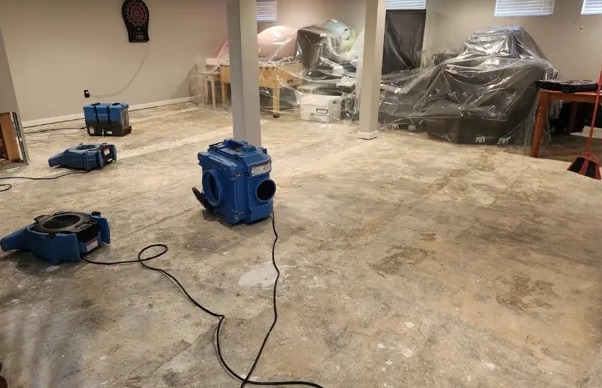
Once readings show the basement is dry, equipment is removed and the space is ready for repairs.
Flood Drying Services
After floodwater is pumped out, desiccant dehumidifiers can bring the air to very low humidity, which pulls moisture out of walls, floors and framing faster.
Firefighting Water Drying
Drying after a fire is done once wet debris is removed, so the structure dries cleanly before rebuilding.
Construction Drying Services
New construction can trap moisture in concrete, drywall mud and framing. Desiccant units help dry the building before finishes go in.
Crawl Space Drying
Water is removed from the crawl space first, then desiccant drying brings humidity down so the framing can dry.
Symptoms Requiring Desiccant Dehumidification in Grain Valley
Active Mold Spots
Dark spots appearing on walls or ceilings mean materials stayed damp long enough for mold.
Visible Condensation on Windows
Windows that fog or drip inside show the air holds too much moisture for materials to dry.
Peeling Paint or Wallpaper
Paint or wallpaper that peels after a leak has moisture behind it that has not dried.
Cold, Damp Feeling in Air
Air that feels cold and damp, especially in lower levels, can be too cool for standard dehumidifiers to work well.
How Desiccant Dehumidification Works in Grain Valley
Step 1: Emergency Moisture Evaluation
The wet area is mapped and the right size and type of dehumidifier is chosen.
Step 2: High-Capacity Setup
Large desiccant units are placed for big spaces or cool areas where standard units struggle.
Step 3: Active Drying Cycle
Dry air is moved across wet materials, with daily readings to track progress.
Step 4: Completion and Insurance Records
Final readings and daily drying logs are compiled into a record for your insurer.
Sources of Moisture Requiring Desiccant Dehumidification in Grain Valley
Groundwater Rise After Heavy Rains
Groundwater rising after long rains keeps crawl spaces and lower levels damp.
Severe Weather and Storm Flooding
Storms and flooding soak lower levels and leave large volumes of wet material.
Plumbing Leaks or Pipe Bursts
Burst pipes and leaking supply lines soak walls and floors that then need drying.
Foundation Cracks and Seepage
Foundation cracks let groundwater seep into lower levels, keeping walls and floors damp.
House & Business Desiccant Dehumidification in Grain Valley, MO
Residential Desiccant Dehumidification
Families can usually stay home during drying, though equipment makes steady noise and some areas may be closed off.
Commercial Desiccant Dehumidification
Builders and contractors use desiccant drying to get slabs and drywall ready for flooring and paint on schedule.
Hiring Local Pros for Desiccant Dehumidification in Grain Valley
Opening windows only helps on dry, breezy days. Commercial dehumidifiers keep drying no matter what the weather outside is doing, which makes them more reliable.
Investing in Desiccant Dehumidification for Grain Valley Properties
Repairs after drying are a separate cost. In Grain Valley, fully dried materials often mean fewer repairs are needed.
Access and Complexity
Crawl spaces, tight areas and large buildings take more effort to set up and monitor.
Number of Dehumidifiers
The number and size of dehumidifiers needed for the space is a major part of the cost.
Duration of Equipment Use
Drying usually takes several days, and each day of equipment use adds to the total.
Does Insurance Cover Desiccant Dehumidification?
Daily humidity and moisture logs from local moisture removal pros help support an insurance claim for drying after water damage in Grain Valley.
Advantages of Hiring Local Pros in Grain Valley for Desiccant Dehumidification
Desiccant Equipment
Desiccant units are used where they fit, such as cool spaces, crawl spaces and large buildings.
Structural Drying
Walls, floors and framing are dried, not just the air in the room.
Detailed Moisture Documentation
Daily humidity and moisture readings are logged to show progress and support insurance claims.
24/7 Desiccant Dehumidification for Grain Valley Emergencies
Water damage that needs drying in Grain Valley? Call (816) 355-6039 to get dehumidifiers and air movers in place. Help is available 24/7.
Call Now (816) 355-6039Desiccant Dehumidification Coverage for Grain Valley and Beyond
Nearby areas served for desiccant dehumidification include Oak Grove, Blue Springs and Lake Lotawana, with the same equipment and readings used in Grain Valley.
- Desiccant Dehumidification in Oak Grove
- Desiccant Dehumidification in Blue Springs
- Desiccant Dehumidification in Lake Lotawana
- Desiccant Dehumidification in Buckner
- Desiccant Dehumidification in Lone Jack
- Desiccant Dehumidification in Lee's Summit
- Desiccant Dehumidification in Independence
- Desiccant Dehumidification in Greenwood
- Emergency Damage Restoration in 64029
- Storm Damage Restoration in 64029
- Water Damage Restoration in 64029
- Water Extraction Service in 64029
- Water Leak Detection in 64029
- Water Removal Service in 64029
Common Desiccant Dehumidification Questions Answered
What is involved in basement dehumidification after a flood?
Removing water, placing dehumidifiers and air movers and running them until concrete and framing read dry.
What are the benefits of construction drying services?
Drying slabs and drywall on schedule so flooring and finishes are not installed over damp materials.
How do rapid drying methods protect my property?
They dry materials before they swell, warp or grow microbes, which keeps repairs smaller.
What happens after desiccant dehumidification is complete?
Final readings are recorded, equipment is removed and the space is ready for repairs or finishes.
Can desiccant dehumidification help prevent mold?
Yes. Lowering humidity and drying materials quickly is one of the main ways to keep mold from starting.