Kansas City, MO · Jackson County
Contents Cleaning & Restoration in Kansas City, MOElectronics Restoration Services & Contents Pack-Out Services
Contents Cleaning & Restoration in Kansas City covers document drying services, textile clothing restoration and electronics restoration services.
Answered 24/7
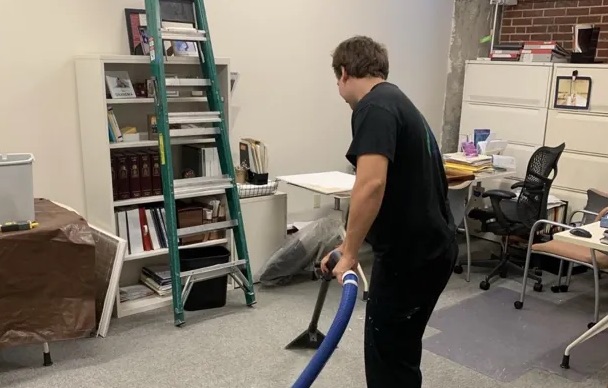
Trusted Contents Cleaning & Restoration for Kansas City Homes
Musty odors in Kansas City homes after a leak often come from belongings as much as walls and floors. Damp clothing, rugs and cardboard boxes hold moisture and smell.
Homeowners in Kansas City can call (816) 355-6039 day or night when water reaches furniture and belongings. Service also covers Westwood, Roeland Park and Mission Hills, with the same sorting and inventory steps.
Comprehensive Contents Cleaning & Restoration in Kansas City
Electronics Restoration Services
Wet electronics are unplugged, moved out of the water and set aside. They should not be turned on until an electronics specialist checks them.
Contents Pack-Out Services
Pack-out is often needed when flooring, drywall or cabinets must be removed, since the work cannot happen around full rooms.
Document Drying Services
Important papers are handled first. Wet documents are dried in different ways depending on how wet they are and what they are made of.
Textile Clothing Restoration
Fabrics that sat in water for days may show color bleeding or stains. They are sorted by condition and cleaning method.
Hard Contents Cleaning
Hard items such as dishes, tools, toys and metal furniture are cleaned and dried, and disinfected if they touched dirty water.
Contents Damage Warning Signs for Kansas City
Corrosion on Electronic Contacts
Green or white crust on electronic ports and contacts is corrosion from moisture. Keep the device off.
Pest Activity Around Belongings
Insects around stored boxes can be drawn by damp cardboard and paper from a leak.
Stiff or Discolored Fabrics
Fabrics that feel stiff, smell sour or show tide lines have been wet and need cleaning.
Unexplained Increased Humidity
A room that stays humid after a leak keeps belongings damp even if they never touched standing water.
How Contents Cleaning & Restoration Works in Kansas City
Step 1: Damage Documentation and Claim Support
Photos and an item list are prepared so the insurer has a clear record of what was affected.
Step 2: Organized Removal
Contents are removed in an order that clears the rooms needing the most repair work first.
Step 3: Specialist Items Set Aside
Electronics, art and important documents are separated and set aside for the right specialist.
Step 4: Verification and Return
Each item is checked off the list as it is returned, so nothing is missed.
Causes of Contents Damage in Kansas City
HVAC System Condensation Issues
AC drain overflows soak closets and the clothes and boxes stored inside them.
Water Heater Failures
A failed water heater in a closet or garage can soak boxes and stored items around it.
Fire Suppression System Activation
A damaged or triggered fire sprinkler can soak every item in a room.
Sewage Backup or Toilet Overflows
Sewage backups and toilet overflows contaminate rugs, furniture and items on the floor.
Both Residential and Commercial Contents Cleaning & Restoration
Residential Contents Cleaning & Restoration
Renters need their belongings listed separately from the landlord's building damage, since different insurance policies usually cover each.
Commercial Contents Cleaning & Restoration
Property managers in multi-unit buildings get separate contents lists and photos for each affected unit, which keeps claims organized.
When DIY Fails: The Case for Contents Cleaning & Restoration
You can hang wet clothing to dry, spread out wet papers and take photos of everything. Wood furniture, electronics and art need slower, more careful drying.
Considerations for Contents Cleaning & Restoration Investment
Moving belongings out of the water right away in Kansas City usually means more items can be saved, which keeps contents losses lower.
Contamination Level
Items touched by contaminated water need disinfection or disposal, which adds handling time.
Post-Cleaning Validation
Final checks and the item list add some time but give you a clear record for insurance.
Restoration Complexity
Antiques and delicate pieces take more careful cleaning than everyday household items.
Does Insurance Cover Contents Cleaning & Restoration?
Insurers usually ask for a list of damaged items with descriptions and condition. The inventory made during pack-out helps provide that.
The Advantage of Local Pros for Contents Cleaning & Restoration
Sanitizing Contents
Hard items that touched dirty water are cleaned and disinfected before they come back.
Art and Collectibles Handling
Art and collectibles are moved first, kept cool and dry and set aside for a conservator.
Textile Care
Clothing, linens and upholstery are sorted and cleaned by fabric type and water source.
24/7 Emergency Contents Cleaning & Restoration Response
The faster belongings leave the wet room, the more can be saved. Call (816) 355-6039 for contents cleaning & restoration in Kansas City as soon as you find the water.
Call Now (816) 355-6039Contents Cleaning & Restoration for Kansas City and Nearby Communities
Contents pack-out and cleaning also cover homes and businesses in Westwood, Roeland Park and Mission Hills, close to Kansas City, day or night.
Contents Cleaning & Restoration FAQ for Kansas City Homeowners
Why is quick action important for contents after water damage?
Wet belongings stain, warp and smell more every hour. Moving them quickly saves more items.
What happens to items that cannot be saved?
They are photographed and listed before disposal, so you have a record for your insurance claim.
What items can go through hard contents cleaning?
Dishes, tools, hard toys, metal and solid wood furniture, decor and other non-porous household items.
What happens during textile clothing restoration after water damage?
Fabrics are sorted by type and water source, then laundered, dry cleaned or discarded based on condition.
How is microbial growth on wet contents handled?
Items are dried and cleaned quickly. Soft items with mold are usually discarded, and hard items are cleaned and disinfected.