Parkville, MO · Platte County
Concrete Water Damage Restoration in Parkville, MODriveway Water Damage Restoration & Concrete Slab Water Extraction
Concrete Water Damage Restoration in Parkville covers concrete slab water extraction, concrete foundation drying and flooded garage concrete cleanup.
Answered 24/7
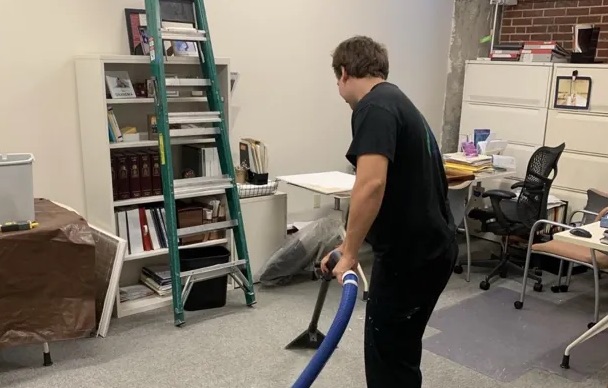
Reliable Concrete Water Damage Restoration Serving Parkville
Concrete holds water longer than most people expect. In Parkville, a slab floor, garage or foundation that took on water can stay damp for days and pass that moisture into flooring, baseboards and walls.
In Parkville, Weatherby Lake, Kansas City and Gladstone, driveways and patios that slope toward houses are a common cause of water at doors. The pros dry the inside and note the slope.
Comprehensive Concrete Water Damage Restoration in Parkville
Driveway Water Damage Restoration
Driveway concrete dries on its own outdoors. The work focuses on water that came into the garage or house, plus mud and debris cleanup.
Concrete Slab Water Extraction
Standing water on interior concrete is pumped or extracted, and flooring and baseboards over the slab are checked for water trapped beneath.
Concrete Foundation Drying
Water that soaked the foundation walls or slab edge from inside is dried, along with the sill plates and wall bases resting on it.
Patio Slab Drying Services
A patio that slopes toward the house is a common cause of water at back doors. The slope problem is noted for a contractor.
Sidewalk Water Damage Cleanup
Sidewalk cleanup after storms often goes along with drying entryways and floors inside the building.
When to Call for Concrete Water Damage Restoration in Parkville
Efflorescence on Concrete Surfaces
White, powdery deposits on concrete show water moving through it and leaving minerals behind.
Spalling or Concrete Surface Flaking
Concrete surfaces that flake or pop off can be damaged by water that freezes and thaws inside them.
Mold or Mildew on Slab Edges
Dark spots along slab edges and baseboards mean water has been sitting there for days.
Soft or Spongy Adjacent Soil
Soft, soggy soil next to a slab or foundation means water is collecting against the concrete.
How Concrete Water Damage Restoration Works in Parkville
Step 1: Emergency Water Removal Response
Help is available any hour, and stored items are moved off the wet slab right away.
Step 2: Surface and Sub-Surface Drying
Flooring is lifted, and the concrete beneath is dried along with the sill plates and walls.
Step 3: Controlled Evaporation and Airflow
Dehumidifiers and air movers keep moisture leaving the concrete steadily over several days.
Step 4: Cleanup and Surface Restoration
Debris and residue are cleaned up, and the slab is ready for flooring once readings are normal.
Common Causes of Concrete Water Damage in Parkville
Crack Expansion From Settlement
Settling soil cracks slabs and walkways, opening paths for water to enter.
Appliance Malfunctions in Garages
Water heaters, washers and AC drains in garages leak onto the concrete floor.
Swimming Pool Leaks and Overflows
Pool overflows and leaks can send water across decks and toward the house.
Sewer Line Backups and Overflows
A blocked sewer line can back up through floor drains on a slab and soak the floor.
Concrete Water Damage Restoration for All Properties in Parkville
Residential Concrete Water Damage Restoration
In homes, concrete water damage usually affects garages, slab floors under flooring and wall bases. Water is extracted, flooring lifted where needed and the slab dried.
Commercial Concrete Water Damage Restoration
In commercial buildings, large slabs, loading docks and parking areas can take on water. High-capacity extraction and large dehumidifiers dry interior concrete.
Hiring Local Pros for Concrete Water Damage Restoration vs Self-Service in Parkville
Pointing downspouts away from the house and keeping yard and garage drains clear are good DIY steps to keep water off the concrete near your foundation.
Estimating Concrete Water Damage Restoration Expenses in Parkville
Concrete dries slowly, so drying equipment days often make up much of the cost of concrete water damage restoration in Parkville.
Crack and Seepage Severity
Active seepage through cracks can keep rewetting the area until the crack is sealed.
Water Depth and Saturation
Water that soaked deep into concrete takes longer to dry than water caught on the surface.
Slab Type and Condition
Older slabs without vapor barriers can hold more moisture and dry more slowly.
Does Insurance Cover Concrete Water Damage Restoration?
Many homeowner policies cover sudden water damage on slab floors, such as a pipe leak, but not seepage, groundwater or outside flooding. Check your policy early.
Why Local Pros Handle Concrete Water Damage Restoration in Parkville
Damage Documentation
Photos, readings and drying logs are kept to support your insurance claim.
Moisture Detection
Meters show moisture in the concrete itself, not just on the surface.
Mold Prevention Focus
Wall bases and sill plates that stayed wet can be treated with an antimicrobial after drying.
Urgent Concrete Water Damage Restoration Response in Parkville
Water on concrete soaks into flooring and wall bases quickly. Call (816) 355-6039 for concrete water damage restoration in Parkville at any hour, including holidays.
Call Now (816) 355-6039Concrete Water Damage Restoration Available Throughout Parkville
Each place listed below has its own page with local details.
- Concrete Water Damage Restoration in Weatherby Lake
- Concrete Water Damage Restoration in Kansas City
- Concrete Water Damage Restoration in Gladstone
- Concrete Water Damage Restoration in Piper
- Concrete Water Damage Restoration in Roeland Park
- Concrete Water Damage Restoration in Merriam
- Concrete Water Damage Restoration in Prairie Village
- Concrete Water Damage Restoration in Independence
Frequently Asked Questions About Concrete Water Damage Restoration
What are patio slab drying services?
Drying interior areas where patio water came in under doors, and noting patio slope problems that cause it.
What should be done right after finding pool deck water near the house?
Stop the overflow or leak, keep water away from doors and call for drying if it reached inside.
What causes foundation water damage cleanup to be needed?
Poor drainage, downspouts that empty near the foundation, cracks, slab leaks and rising groundwater after wet weather.
How is concrete mold prevention achieved after water damage?
By drying the slab and the materials on it quickly and treating wall bases and sill plates that stayed wet.
Why is concrete foundation drying important?
Sill plates and wall bases resting on wet concrete stay damp until the concrete dries, which can lead to rot and odors.