Lansing, KS · Leavenworth County
Concrete Water Damage Restoration in Lansing, KSDriveway Water Damage Restoration & Concrete Foundation Drying
Concrete Water Damage Restoration in Lansing covers concrete slab water extraction, concrete foundation drying and flooded garage concrete cleanup.
Answered 24/7
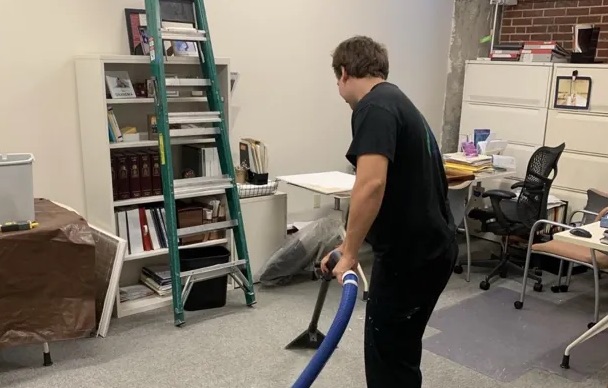
Expert Concrete Water Damage Restoration for Lansing Homes
Cracks in a slab or foundation wall in Lansing can let water seep in after heavy rain. The water shows up as damp patches, white deposits or puddles along the wall.
In Lansing, concrete water calls often involve flooded garages and seepage through slab cracks. Local concrete restoration pros serve Lansing, Leavenworth, Piper and Basehor, drying the concrete and noting the cause.
Complete Concrete Water Damage Restoration for Lansing
Driveway Water Damage Restoration
Driveway concrete dries on its own outdoors. The work focuses on water that came into the garage or house, plus mud and debris cleanup.
Concrete Foundation Drying
Water that soaked the foundation walls or slab edge from inside is dried, along with the sill plates and wall bases resting on it.
Sidewalk Water Damage Cleanup
Sunken or cracked sidewalk sections that trap water or send it toward the building are noted for repair.
Concrete Crack Seepage Repair
Drying the area around a seeping crack only lasts if the crack is sealed, so the source is always noted.
Concrete Slab Water Extraction
Readings across the slab show where moisture remains, which decides how long drying equipment needs to run.
Symptoms Requiring Concrete Water Damage Restoration in Lansing
Standing Water on Concrete Slabs
Standing water on a slab floor or garage needs extraction before it soaks into flooring and wall bases.
Uneven or Sinking Concrete Sections
Concrete sections that sink or tilt can trap water or send it toward the house.
Increased Indoor Humidity Levels
A slab home that feels humid after rain may have moisture coming up through the floor.
Mold or Mildew on Slab Edges
Dark spots along slab edges and baseboards mean water has been sitting there for days.
How Concrete Water Damage Restoration Works in Lansing
Step 1: Initial Damage Documentation
Photos record the water, the slab and any cracks or drainage problems before work begins.
Step 2: Bulk Water and Debris Removal
Water, mud and debris are cleared from slab floors, garages and entries before drying starts.
Step 3: Structural Drying Techniques
Drying equipment is aimed at the concrete and the wood resting on it until readings drop.
Step 4: Sanitization and Mold Prevention
Surfaces touched by dirty water are cleaned, and wall bases that stayed wet can be treated.
Typical Origins of Concrete Damage in Lansing
Plumbing Leaks Under Slabs
Leaking pipes under the slab push water up through cracks and into flooring.
Sprinkler System Misalignment
Irrigation sprinklers aimed at walls and walkways keep concrete and wall bases wet.
Sewer Line Backups and Overflows
A blocked sewer line can back up through floor drains on a slab and soak the floor.
Crack Expansion From Settlement
Settling soil cracks slabs and walkways, opening paths for water to enter.
Concrete Water Damage Restoration for Homes and Businesses in Lansing
Residential Concrete Water Damage Restoration
Families with pools may see water from pool overflows reach the house. Interior floors and walls are dried.
Commercial Concrete Water Damage Restoration
Restaurants and shops with slab floors need water removed and floors dried quickly so customers and staff can walk safely.
Concrete Water Damage Restoration vs DIY in Lansing
Patching small cracks with sealant is a reasonable DIY job once the concrete is dry. Larger or active cracks need a contractor, and the inside may need drying.
Estimating Concrete Water Damage Restoration Expenses in Lansing
Crack sealing, regrading and drainage repairs are separate from water removal. In Lansing, they keep the water from returning.
Slab Type and Condition
Older slabs without vapor barriers can hold more moisture and dry more slowly.
Crack and Seepage Severity
Active seepage through cracks can keep rewetting the area until the crack is sealed.
Affected Surface Area
Larger wet concrete areas need more extraction, more equipment and more drying time.
Does Insurance Cover Concrete Water Damage Restoration?
Photograph the wet floor, lifted flooring and any cracks or drainage problems before cleanup starts, and keep receipts for emergency extraction.
Why Local Pros Handle Concrete Water Damage Restoration in Lansing
Industry Drying Standards
Drying follows industry water damage standards, with readings taken at every visit.
Concrete Experience
Drying is set up for concrete, which releases water slowly and needs steady dehumidification.
24/7 Emergency Response
Help is available day or night when water is spreading across a slab floor or garage.
24/7 Concrete Water Damage Restoration Help in Lansing
The sooner water is removed from concrete, the less flooring and drywall are lost. Call (816) 355-6039 for concrete water damage restoration in Lansing.
Call Now (816) 355-6039Areas Served for Concrete Water Damage Restoration Near Lansing
Nearby areas served for concrete water damage restoration include Leavenworth, Piper and Basehor, with the same extraction and drying steps used in Lansing.
- Concrete Water Damage Restoration in Leavenworth
- Concrete Water Damage Restoration in Piper
- Concrete Water Damage Restoration in Basehor
- Concrete Water Damage Restoration in Platte City
- Concrete Water Damage Restoration in Weatherby Lake
- Concrete Water Damage Restoration in Bonner Springs
- Concrete Water Damage Restoration in Tonganoxie
- Concrete Water Damage Restoration in Edwardsville
- Emergency Damage Restoration in 66043
- Storm Damage Restoration in 66043
- Water Damage Restoration in 66043
- Water Extraction Service in 66043
- Water Leak Detection in 66043
- Water Removal Service in 66043
Concrete Water Damage Restoration FAQs Answered
When is basement floor water extraction needed?
Whenever water is standing on a basement slab or soaking flooring and wall bases after seepage or a leak.
Can a flooded garage be completely restored?
Usually yes. The slab is extracted and dried, wall bases are dried or repaired and stored items are sorted.
Can sidewalk water removal help prevent trip hazards?
Clearing standing water, mud and debris lowers slip risks, and sunken or heaved sections are noted for repair.
What causes foundation water damage cleanup to be needed?
Poor drainage, downspouts that empty near the foundation, cracks, slab leaks and rising groundwater after wet weather.
How is concrete mold prevention achieved after water damage?
By drying the slab and the materials on it quickly and treating wall bases and sill plates that stayed wet.