Mission Hills, KS · Johnson County
Concrete Slab Water Extraction in Mission Hills, KSWet Slab Mold Prevention & Commercial Slab Water Extraction
Concrete Slab Water Extraction in Mission Hills includes emergency slab flood cleanup, wet slab mold prevention and commercial slab water extraction.
Answered 24/7
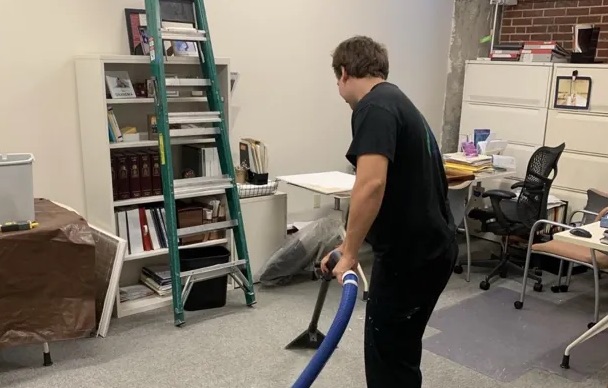
Professional Concrete Slab Water Extraction in Mission Hills, KS
Flooring over a wet slab traps the water. In Mission Hills, laminate, vinyl plank and carpet on concrete can hold moisture against the slab for weeks if they are not lifted.
Property owners in Mission Hills can call (816) 355-6039 day or night when water spreads across a slab floor. Service also covers Fairway, Westwood and Roeland Park, with the same extraction and drying steps.
Concrete Slab Water Extraction Services in Mission Hills
Wet Slab Mold Prevention
Treatment is applied to clean, dry surfaces, before flooring or baseboards are reinstalled.
Commercial Slab Water Extraction
Drying on large slabs is tracked with readings across a grid, and equipment is moved as zones reach normal levels.
Emergency Slab Flood Cleanup
Help is available any hour when water is spreading across a slab floor. Standing water is pumped or extracted right away.
Concrete Slab Leak Water Extraction
Moisture readings across the slab show how far the water spread from the leak, which sets where drying equipment goes.
Basement Concrete Water Extraction
Water on a basement slab is pumped and extracted, and the slab and lower walls are dried with large dehumidifiers.
Indicators of a Water-Damaged Slab in Mission Hills
Pooling Water on a Slab Floor
Water pooling on a slab floor with no spill nearby often means a leak under or in the concrete.
Warped or Sticking Doors
Doors that stick or drag after a leak can mean flooring and trim have swollen from moisture below.
Damp Spots That Never Dry
Damp spots on a slab that never dry, even in dry weather, point to a leak or ground moisture.
Cold and Damp Concrete Floors
Concrete that feels cold and damp underfoot, or a warm spot on the floor, can point to a slab leak.
How Concrete Slab Water Extraction Works in Mission Hills
Step 1: Emergency Water Extraction
The source is stopped, belongings are moved and standing water is pumped or extracted from the slab.
Step 2: Slab Moisture Assessment
Readings across the slab and wall bases show where water spread and where flooring is trapping it.
Step 3: Strategic Drying Setup
Flooring is lifted where needed, and air movers and dehumidifiers are placed to dry the concrete.
Step 4: Verification and Documentation
Daily readings track drying, and final readings confirm the slab is ready for flooring.
Common Causes of Slab Water Damage in Mission Hills
Clogged or Damaged Gutters
Clogged or short gutters dump roof water right next to the slab edge.
Poor Lot Grading and Drainage
Ground that slopes toward the house sends rainwater against the slab foundation.
Plumbing Leaks Under the Slab
Supply and drain pipes under or inside the slab can crack or wear through and leak upward.
High Water Table Conditions
A high water table keeps soil under the slab wet and pushes moisture upward.
Residential and Commercial Concrete Slab Water Extraction in Mission Hills
Residential Concrete Slab Water Extraction
Homeowners planning new flooring need the slab dry first. Final readings give the installer a clear record that the concrete is ready.
Commercial Concrete Slab Water Extraction
Retail and restaurant slabs need water extracted and floors dried quickly so staff and customers can return safely.
DIY Slab Water Removal vs. Professional Extraction in Mission Hills
If water keeps appearing on the floor with no source in sight, shut off the main water valve and see if it stops. If it does, call a plumber and (816) 355-6039 for drying.
Cost Considerations for Slab Water Extraction in Mission Hills
Flooring removal, baseboard and drywall work, after-hours calls and dirty water all add to the total for concrete slab water extraction in Mission Hills.
Slab Composition and Age
Older slabs without vapor barriers can hold more moisture and dry more slowly.
Affected Square Footage
Larger wet slab areas need more extraction, more equipment and more drying time.
Mold Prevention Measures
Antimicrobial treatment of sill plates and wall bases that stayed wet is an added step.
Does Insurance Cover Concrete Slab Water Extraction?
Photograph the wet floor, lifted flooring and any damaged items before cleanup starts, and keep receipts for emergency extraction and drying equipment.
Benefits of Local Slab Water Extraction Pros in Mission Hills
Methodical Flood Cleanup Process
Flood cleanup follows a set order: stop, extract, lift trapped flooring, dry and confirm.
Concrete Drying
Drying is set up for concrete, which releases water slowly and needs steady dehumidification.
Moisture Monitoring
Readings on the slab and wall bases are taken daily until the concrete is back to normal.
24/7 Emergency Concrete Slab Water Extraction in Mission Hills
The sooner water is removed from a slab, the less flooring is lost. Call (816) 355-6039 for concrete slab water extraction in Mission Hills as soon as you see it.
Call Now (816) 355-6039Concrete Slab Water Extraction in Mission Hills and Nearby Communities
Need concrete slab water extraction outside Mission Hills? Service also covers Fairway, Westwood and Roeland Park, including emergency help for slab leaks.
- Concrete Slab Water Extraction in Fairway
- Concrete Slab Water Extraction in Westwood
- Concrete Slab Water Extraction in Roeland Park
- Concrete Slab Water Extraction in Prairie Village
- Concrete Slab Water Extraction in Mission
- Concrete Slab Water Extraction in Merriam
- Concrete Slab Water Extraction in Leawood
- Concrete Slab Water Extraction in Shawnee
FAQs on Concrete Slab Water Extraction Services
How long does flooded garage slab drying take?
Often a few days. Concrete releases water slowly, so dehumidifiers run until readings match dry areas.
What is the difference between water extraction and drying?
Extraction removes standing water. Drying removes moisture that soaked into the concrete, flooring and walls.
Why is commercial slab water extraction more complex?
Commercial slabs are larger and often have coatings, tiles or equipment, so extraction and drying take more planning.
Does concrete patio water damage require slab repair?
Patio repairs are done by a concrete contractor. The pros dry any water that got inside the house.
Is concrete floor water removal a DIY project?
Small spills on bare concrete can be. Water under flooring or soaked into the slab needs professional drying.