Bonner Springs, KS · Wyandotte County
Basement Water Removal in Bonner Springs, KSBasement Drying Services & Basement Floor Water Damage
Basement Water Removal in Bonner Springs runs from basement water pump out and basement drying services to basement dehumidification.
Answered 24/7
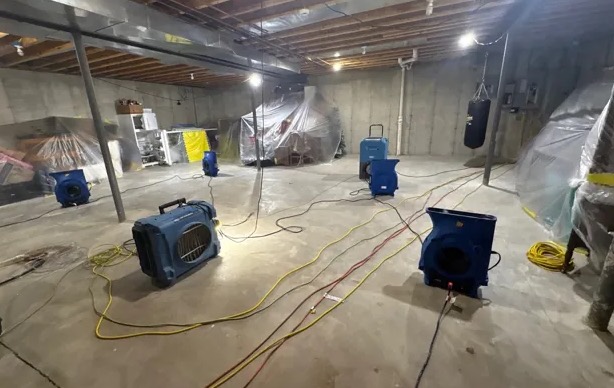
Local Basement Water Removal Services for Bonner Springs
Basement Water Removal in Bonner Springs protects more than the floor. Furnaces, water heaters, washers and stored belongings in the basement can all be damaged by standing water.
A single storm or burst pipe in Bonner Springs can flood a basement. Local basement drying experts serve Bonner Springs and nearby Edwardsville, Piper and Basehor, with help available around the clock.
Basement Water Removal Services in Bonner Springs
Basement Drying Services
Drying plans for basements account for cool air and thick concrete, which hold moisture longer than upper floors.
Basement Floor Water Damage
Water on a basement floor soaks into carpet pad, laminate seams and the concrete itself. Floor coverings are lifted where needed so the slab can dry.
Basement Dehumidification
After drying, a household dehumidifier may still be needed to keep basement humidity in a healthy range.
Basement Water Pump Out
When water is more than an inch or two deep, pumps move it far faster than wet vacs, which limits how long walls sit in water.
Basement Wall Drying
Opening the bottom of finished walls lets air reach the studs and sill plate, which otherwise stay wet behind the drywall.
Warning Signs You Need Basement Water Removal
Soggy or Wet Carpeting
Carpet that feels damp or smells sour is holding water in the pad against the concrete.
Rusted Appliances or Furniture
Rust on appliance bases, furniture legs or metal shelving points to standing water or long-term dampness.
High Humidity and Condensation
Water on pipes and windows, or a constantly clammy feel, means basement humidity is too high.
Musty Odors and Mold Smell
A musty or damp smell in the basement points to wet materials hidden somewhere in the space.
How Basement Water Removal Works in Bonner Springs
Step 1: First Call and Initial Assessment
The source, the type of water and the depth are checked, and the water level is photographed.
Step 2: Bulk Water and Contaminant Removal
Pumps remove standing water, and carpet, pad or drywall touched by dirty water is removed.
Step 3: Drying With Monitoring
Dehumidifiers and air movers run around the clock, with readings logged every day on walls and slab.
Step 4: Post-Drying Evaluation and Documentation
Final readings and photos are compiled to show the basement is dry and what was removed.
What Causes Water Damage in Basements
High Water Table and Hydrostatic Pressure
A high water table presses groundwater against the slab and walls, forcing it inside.
Window Well Leaks and Drainage
Window wells without drains or covers fill with rain and leak through the windows.
Sump Pump Malfunction or Power Loss
A sump pump that fails mechanically or loses power during a storm lets groundwater rise.
Plumbing Leaks or Pipe Bursts
Supply lines, drain pipes and water heaters in the basement can leak or burst onto the floor.
Residential and Commercial Basement Water Removal in Bonner Springs
Residential Basement Water Removal
In homes, a wet basement often means damaged carpet, drywall and stored belongings, plus a furnace or water heater sitting in water. Water is pumped out and the space dried.
Commercial Basement Water Removal
In commercial buildings, basements often house mechanical rooms and storage. Water is removed so systems can be checked to determine whether they can be restarted safely.
Why DIY Basement Water Removal Often Fails in Bonner Springs
Do not step into basement water if cords, outlets or appliances are in it. Shut off power at the panel only if you can reach it from a dry spot, then call (816) 355-6039.
Factors Affecting Basement Water Removal Cost
The pros look at water depth, water type and basement finishes before pricing basement water removal in Bonner Springs, then explain the scope.
Drying Time Required
Basements dry slowly, and each extra day of equipment adds to the total.
Water Depth and Volume
Deeper water takes more pumping time and usually means more materials got wet.
Contamination Level
Sewage or dirty water needs protective gear, removal and disinfection, which costs more.
Does Insurance Cover Basement Water Removal?
Flooding from outside water usually needs separate flood insurance. Water from a broken pipe or appliance inside is more often covered.
Advantages of Local Basement Water Removal Experts
Advanced Drying Equipment
Pumps, extractors and large dehumidifiers remove water much faster than household tools.
Contamination Safety Protocols
Sewage and dirty water are handled with protective gear, containment and disinfection.
Focus on Drying Outcomes
Drying continues until readings are normal, not just until surfaces look dry.
Round-the-Clock Basement Water Removal for Bonner Springs
Water still rising in the basement? Call (816) 355-6039 now for basement water removal in Bonner Springs before the water reaches finished rooms and stored belongings.
Call Now (816) 355-6039Basement Water Removal Serving Bonner Springs and Surroundings
Nearby areas served for basement water removal include Edwardsville, Piper and Basehor, with the same pumping and drying steps used in Bonner Springs.
- Basement Water Removal in Edwardsville
- Basement Water Removal in Piper
- Basement Water Removal in Basehor
- Basement Water Removal in Lake Quivira
- Basement Water Removal in De Soto
- Basement Water Removal in Linwood
- Basement Water Removal in Clearview City
- Basement Water Removal in Tonganoxie
- Emergency Damage Restoration in 66012
- Storm Damage Restoration in 66012
- Water Damage Restoration in 66012
- Water Extraction Service in 66012
- Water Leak Detection in 66012
- Water Removal Service in 66012
Answers to Top Basement Water Removal Queries
How long does basement drying take?
Often several days or longer, because concrete and cool basement air hold moisture. Daily readings show when it is done.
What equipment is used for basement water extraction?
Submersible pumps, extractors, wet vacs, air movers, large dehumidifiers and moisture meters to confirm drying.
What is the difference between a pump out and extraction?
A pump out removes deep standing water. Extraction pulls the remaining water from carpet, pad and floors.
What causes basement floor water damage?
Storm seepage, burst pipes, appliance leaks, foundation cracks and sewer backups through floor drains are the usual sources.
How does a basement moisture inspection work?
Moisture meters and thermal cameras check walls, floors and the slab, including behind finished walls and under flooring.