Lexington, MO · Lafayette County
Basement Water Damage Restoration in Lexington, MOBasement Mold Prevention & Basement Dehumidification
Basement Water Damage Restoration in Lexington includes emergency basement flood cleanup, basement sewer backup cleanup and basement wall drying.
Answered 24/7
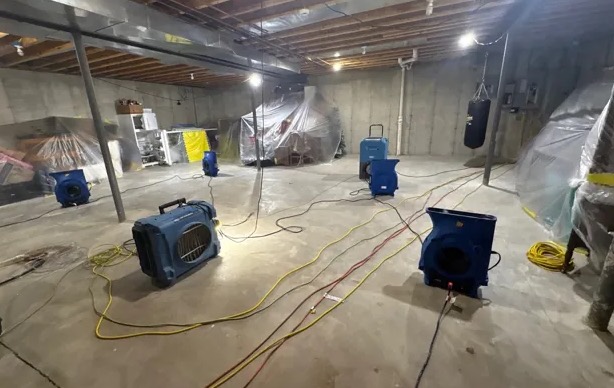
Basement Water Damage Restoration for Lexington Homes
Water in a basement does not stay on the floor. It wicks up drywall, soaks insulation and seeps into wood framing. In Lexington, a few inches of water can damage walls up to two feet high.
One burst pipe or heavy storm in Lexington can flood a basement. Local restoration pros serve Lexington and nearby Richmond, Higginsville and Odessa, with help available around the clock.
Basement Water Damage Restoration Solutions Available in Lexington
Basement Mold Prevention
Keeping basement humidity low after drying helps prevent mold from returning, especially in finished spaces.
Basement Dehumidification
Dehumidification continues until humidity and material readings are normal. Turning it off too early lets moisture return.
Basement Sewer Backup Cleanup
Sewage that backs up through a floor drain or toilet is extracted with protective gear, and the area is contained from the rest of the house.
Basement Water Extraction
Submersible pumps remove deep standing water, then portable extractors pull water from carpet, pad and the concrete floor.
Basement Wall Drying
Wet drywall is cut back above the water line when it is soaked, and the wall cavity and insulation behind it are dried or replaced.
How to Know You Need Basement Water Damage Restoration in Lexington
Standing Water in the Basement
Any standing water on the basement floor needs pumping right away, before it soaks walls and framing.
Sewage Odors or Backups
Sewage smells or water coming up through a floor drain mean the sewer line is backing up.
Rusted Appliances or Pipes
Rust on the water heater, furnace base or pipes points to repeated moisture or past flooding.
Efflorescence on Concrete Walls
White, chalky deposits on concrete walls mean water is moving through the concrete and leaving minerals behind.
How Basement Water Damage Restoration Works in Lexington
Step 1: Water Removal
Pumps and extractors remove standing water from the basement floor, starting at the lowest point.
Step 2: Targeted Moisture Evaporation
Air movers are aimed at wet walls, framing and the slab to speed evaporation.
Step 3: Humidity Control
Large dehumidifiers pull moisture from the basement air, with readings checked every day.
Step 4: Final Verification and Restoration
Final readings confirm the basement is dry, and the space is ready for drywall and flooring repairs.
Typical Sources of Basement Water Damage in Lexington
Window Well Flooding
Window wells without drains or covers fill with rain and leak through basement windows.
HVAC Condensate Line Overflow
A clogged furnace or air conditioner condensate line can overflow onto the floor of a basement or lower-level utility room.
Water Heater or Appliance Leaks
Water heaters, washers and utility sinks in the basement can leak or fail without warning.
Plumbing Pipe Bursts or Leaks
Supply lines and drain pipes in basement ceilings can crack or burst onto the floor below.
Both Residential & Commercial Basement Water Damage Restoration in Lexington
Residential Basement Water Damage Restoration
In homes, a flooded basement often means damaged carpet, drywall, a furnace or water heater and stored belongings. Water is pumped out, contents are moved and the space is dried.
Commercial Basement Water Damage Restoration
In commercial buildings, basements hold mechanical rooms, storage and sometimes offices. Water is removed and equipment areas are dried so systems can be checked and restarted.
When to DIY and When to Call the Pros for Basement Water Damage Restoration
Do not walk into standing basement water if outlets, cords or appliances are submerged. Shut off power at the panel if you can reach it safely, then call (816) 355-6039.
Understanding Basement Water Damage Restoration Pricing in Lexington
Before pricing basement water damage restoration in Lexington, the pros check the water depth, the type of water and what the basement is finished with.
Dehumidification Needs
Large dehumidifiers may need to run longer in below-grade spaces than in upper floors.
Drying Time Required
Basements dry slowly, and longer drying means more equipment days and monitoring visits.
Access Complexity
Narrow stairs, low ceilings and stored contents can make the work slower.
Does Insurance Cover Basement Water Damage Restoration?
Photos, moisture readings and drying logs from local restoration pros help support an insurance claim for basement water damage in Lexington.
Reasons to Hire Local Pros for Basement Water Damage Restoration in Lexington
Containment Strategies
Plastic sheeting keeps contaminated areas separate from clean parts of the house.
Mold Prevention Focus
Fast drying is the main way to limit microbial growth in a below-grade space.
Advanced Moisture Detection
Moisture meters and thermal cameras find water in walls and slabs that looks dry.
Emergency Basement Water Damage Restoration Available in Lexington
Every hour of standing water in a basement means more drywall and flooring to replace. Call (816) 355-6039 for basement water damage restoration in Lexington.
Call Now (816) 355-6039Local Basement Water Damage Restoration Coverage: Lexington and Beyond
Need basement water damage restoration outside Lexington? Service also covers Richmond, Higginsville and Odessa, including emergency help during storms.
- Basement Water Damage Restoration in Richmond
- Basement Water Damage Restoration in Higginsville
- Basement Water Damage Restoration in Odessa
- Basement Water Damage Restoration in Buckner
- Basement Water Damage Restoration in Oak Grove
- Basement Water Damage Restoration in Concordia
- Basement Water Damage Restoration in Grain Valley
- Basement Water Damage Restoration in Excelsior Springs
- Emergency Damage Restoration in 64067
- Storm Damage Restoration in 64067
- Water Damage Restoration in 64067
- Water Extraction Service in 64067
- Water Leak Detection in 64067
- Water Removal Service in 64067
Your Basement Water Damage Restoration Questions Addressed
What are signs of hidden moisture after below-grade water extraction?
Musty smells, tide lines on walls, damp carpet edges and moisture readings that stay high in walls or the slab.
Can wet basement drywall be saved after water damage?
Sometimes, if the water was clean and removed quickly. Soaked or sewage-contaminated drywall is cut out above the water line.
Is basement floor water removal different from carpet extraction?
Yes. Bare concrete is squeegeed and dried, while carpet and pad need extraction, and the pad is usually replaced.
What is the priority during emergency basement flood cleanup?
Safety first, especially electrical hazards, then stopping the source and pumping out the water as quickly as possible.
How is basement restoration documented for insurance?
With photos of the water level and damage, moisture readings, a list of removed materials and daily drying logs.