Spring Hill, KS · Johnson County
Attic Water Removal in Spring Hill, KSWet Attic Insulation Removal & Attic Mold Prevention
Attic Water Removal in Spring Hill includes emergency attic water extraction, ceiling water damage cleanup and attic drying services after a leak.
Answered 24/7
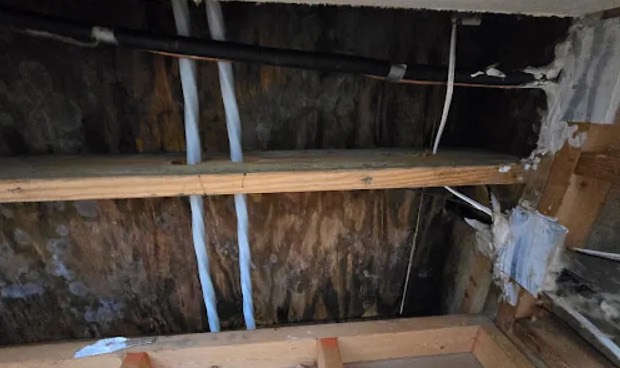
Expert Attic Water Removal for Spring Hill
In Spring Hill, the most common attic water sources are roof leaks, attic AC units and plumbing that runs through the attic. Each one needs to be stopped before drying can work.
A heavy storm in Spring Hill can push water into an attic overnight. Local attic drying specialists serve Spring Hill and nearby Bucyrus, Hillsdale and New Century, with help available around the clock.
Comprehensive Attic Water Removal Offerings
Wet Attic Insulation Removal
Only the wet sections come out. The edges of the wet area are checked with a meter so dry insulation is not removed by mistake.
Attic Mold Prevention
Fast drying is the main protection. Antimicrobial treatment is added only where framing and decking stayed wet long enough to need it.
Attic Moisture Inspection
Readings are recorded at the start and at each visit, giving a clear drying history for your records and insurer.
Roof Leak Water Removal
The entry point is photographed and marked, which helps both the roofer and your insurance adjuster.
Ceiling Water Damage Cleanup
A water-stained ceiling below the attic is checked with a meter. Firm, lightly damp drywall can dry in place, while soft or sagging drywall comes down.
Indicators of Attic Water Damage in Spring Hill
Sagging or Bubbling Ceiling Drywall
Ceiling drywall that sags, bulges or bubbles at the seams is holding water and may fall.
Musty Odors in Your Home
A musty smell upstairs or at the attic hatch often points to wet insulation or damp wood above.
High Utility Bills Unexpectedly
Wet insulation loses its insulating value, so energy bills can rise after an attic leak.
Peeling Paint on Ceilings or Walls
Paint that peels or blisters on upstairs ceilings and walls often has water behind it.
How Attic Water Removal Works in Spring Hill
Step 1: Containment and Safety Setup
Power to wet fixtures is shut off and plastic sheeting protects the room below.
Step 2: Roof Leak Water Removal and Cleanout
Rainwater is removed, a tarp is placed over roof damage, and wet debris is cleared.
Step 3: Moisture Evaporation and Attic Drying
Equipment runs on safe footing in the attic, with readings checked each day.
Step 4: Validation of Dry Conditions
Final readings are compared to dry areas to confirm the attic is ready for new insulation.
Leading Origins of Attic Water Damage
Flashing Failures Around Roof Penetrations
Failed flashing around vents, chimneys and skylights lets rain run into the attic.
Overflow From Clogged Bathroom Exhaust Ducts
Bathroom fan ducts that are loose or vented into the attic release moisture onto the wood.
Ice Dam Formation on Roof Edges
Ice dams at the roof edge force melting snow back under shingles and into the attic.
Clogged or Disconnected Gutters
Clogged or loose gutters let water back up under the roof edge and into the soffits.
Home and Business Attic Water Removal Solutions
Residential Attic Water Removal
Homeowners with stored items in the attic need those moved out first. Wet boxes are dried or discarded before the attic floor is cleaned and dried.
Commercial Attic Water Removal
Offices and stores need the space below protected while attic work is under way. Drying is planned around business hours where possible.
The Risks of DIY Attic Water Removal in Spring Hill
If the ceiling is bulging, keep people out of the room and place a bucket nearby. Local attic drying specialists can drain and remove it in a controlled way.
Understanding Attic Water Removal Pricing
The pros inspect the attic and the ceiling before pricing attic water removal in Spring Hill, then explain what will be removed and dried.
Water Contamination Level
Clean rainwater is simpler to handle than water from a drain line or other dirty source.
Access and Attic Complexity
Low headroom and small access hatches make attic work slower than open spaces.
Extent of Water Damage
A leak confined to one bay costs less than water spread across the attic and the rooms below.
Does Insurance Cover Attic Water Removal?
Insurers often ask what caused the leak and how long it ran. Notes on the entry point and roof condition help answer those questions.
Benefits of Local Pros for Attic Water Removal
Advanced Moisture Detection
Moisture meters and thermal cameras find wet wood and insulation that look dry.
Controlled Demolition Practices
Only wet insulation and drywall are removed, which keeps the repair as small as possible.
Post-Cleanup Verification
Final readings confirm the attic is dry before new insulation goes in.
Emergency Attic Water Removal Available Anytime
Ceiling sagging under the weight of water? Keep people out of the room below and call (816) 355-6039 now for attic water removal in Spring Hill.
Call Now (816) 355-6039Attic Water Removal Near Spring Hill: Areas Served
Nearby areas served for attic water removal include Bucyrus, Hillsdale and New Century, with the same water removal and drying steps used in Spring Hill.
- Attic Water Removal in Bucyrus
- Attic Water Removal in Hillsdale
- Attic Water Removal in New Century
- Attic Water Removal in Gardner
- Attic Water Removal in Stilwell
- Attic Water Removal in Olathe
- Attic Water Removal in Edgerton
- Attic Water Removal in Louisburg
- Emergency Damage Restoration in 66083
- Storm Damage Restoration in 66083
- Water Damage Restoration in 66083
- Water Extraction Service in 66083
- Water Leak Detection in 66083
- Water Removal Service in 66083
Common Attic Water Removal Queries Answered
Can I remove attic water myself?
Only small amounts that are easy to reach safely. Pooled water and soaked insulation need safe footing and drying equipment.
Do I need ceiling water damage cleanup too?
Usually. Water in the attic soaks the ceiling below, which needs to be checked and dried or replaced.
Will attic water damage cause mold?
It can if wood and insulation stay wet for days. Fast removal and drying are the main ways to prevent mold.
What happens during wet attic cleanup?
Water, wet insulation and debris are removed, stored items are moved out and the attic floor is cleaned before drying.
What is involved in attic water removal?
Stopping the source, removing pooled water, bagging wet insulation, drying the framing and decking, and checking the ceiling below.