Slater, MO · Saline County
Attic Water Removal in Slater, MOCeiling Water Damage Cleanup & Attic Leak Water Cleanup
For a storm leak, Attic Water Removal in Slater means emergency attic water extraction, roof leak water removal and attic moisture inspection.
Answered 24/7
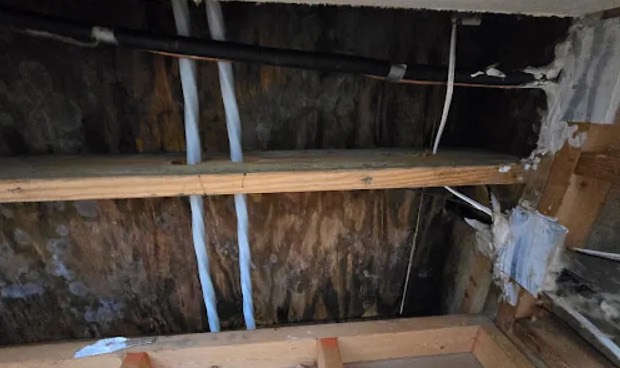
Professional Attic Water Removal in Slater, MO
After a storm in Slater, water can enter an attic through damaged shingles, vents or holes from debris. Fast removal protects the ceiling and the rooms underneath.
Homes in Slater and nearby Marshall often have AC units, ducts and plumbing in the attic, as well as insulation. The pros handle water from any of those sources, plus roof leaks after storms.
The Attic Water Removal Process in Slater
Ceiling Water Damage Cleanup
A water-stained ceiling below the attic is checked with a meter. Firm, lightly damp drywall can dry in place, while soft or sagging drywall comes down.
Attic Leak Water Cleanup
Cleanup focuses on the low spots where water collects: the bays between joists, the area around the hatch and the space under an air handler.
Wet Attic Insulation Removal
Only the wet sections come out. The edges of the wet area are checked with a meter so dry insulation is not removed by mistake.
Attic Moisture Inspection
Readings are recorded at the start and at each visit, giving a clear drying history for your records and insurer.
Roof Leak Water Removal
The entry point is photographed and marked, which helps both the roofer and your insurance adjuster.
When to Consider Attic Water Removal in Slater
Puddles or Standing Water in Attic
Pooled water on the attic floor or on top of drywall needs removal right away.
Water Stains on Ceiling
A brown ring or yellow patch on an upstairs ceiling usually means water is sitting on the drywall from the attic.
Musty Odors in Your Home
A musty smell upstairs or at the attic hatch often points to wet insulation or damp wood above.
High Utility Bills Unexpectedly
Wet insulation loses its insulating value, so energy bills can rise after an attic leak.
How Attic Water Removal Works in Slater
Step 1: Source Control and Water Removal
The roof is tarped or the line shut off, and pooled water is removed from the attic floor.
Step 2: Wet Attic Cleanup and Debris Removal
Soaked insulation, wet debris and stored items are cleared so the wood and drywall can dry.
Step 3: Structural Drying and Dehumidification
Air movers and dehumidifiers are set on boards in the attic and run until readings drop.
Step 4: Final Attic Moisture Check
Decking, rafters and the ceiling below are tested to confirm they are dry before repairs.
Leading Origins of Attic Water Damage
Overflow From Clogged Bathroom Exhaust Ducts
Bathroom fan ducts that are loose or vented into the attic release moisture onto the wood.
Storm Damage From High Winds or Hail
High winds and hail can damage shingles and open the roof to rain during a storm.
HVAC System Leaks or Drain Pan Overflow
An attic air handler overflows when its condensate line clogs or the drain pan cracks.
Clogged or Disconnected Gutters
Clogged or loose gutters let water back up under the roof edge and into the soffits.
Home and Business Attic Water Removal Solutions
Residential Attic Water Removal
In townhomes and condos, a shared attic can carry water into a neighbor's ceiling. Clear photos and readings help sort out repairs with the association.
Commercial Attic Water Removal
Property managers get records for each affected suite or unit, which helps with roof repair planning and insurance claims.
Attic Water Removal vs. DIY: When to Call the Pros
A roof repair stops new water from getting in, but the wet insulation and decking stay wet. After the repair, have the attic checked for remaining moisture.
Understanding Attic Water Removal Pricing
In Slater, the biggest costs in attic jobs are usually insulation removal, drying equipment days and ceiling repair in the room below.
Drying Time Required
Dense wood framing can take several days to dry, which adds equipment time.
Water Contamination Level
Clean rainwater is simpler to handle than water from a drain line or other dirty source.
Type of Insulation Affected
Blown-in insulation takes more time to remove than batts, and both add disposal costs.
Does Insurance Cover Attic Water Removal?
Many homeowner policies cover sudden attic leaks from storms or burst pipes, but not damage from worn roofing or slow leaks. Read your policy and call your insurer early.
Why Choose Local Pros for Attic Water Removal in Slater
Advanced Moisture Detection
Moisture meters and thermal cameras find wet wood and insulation that look dry.
Source Identification
The pros trace the water to its source and note it for the roofer or plumber.
Post-Cleanup Verification
Final readings confirm the attic is dry before new insulation goes in.
Round-the-Clock Attic Water Removal for Slater
Night, weekend or holiday, local water damage restoration experts handle attic water in Slater. Call (816) 355-6039 to get the water out and the ceiling protected.
Call Now (816) 355-6039Communities Served for Attic Water Removal
Other places served are listed below, each with its own page.
- Attic Water Removal in Marshall
- Attic Water Removal in Carrollton
- Attic Water Removal in Sweet Springs
- Attic Water Removal in Concordia
- Attic Water Removal in Higginsville
- Attic Water Removal in Knob Noster
- Attic Water Removal in Lexington
- Attic Water Removal in Warrensburg
- Emergency Damage Restoration in 65349
- Storm Damage Restoration in 65349
- Water Damage Restoration in 65349
- Water Extraction Service in 65349
- Water Leak Detection in 65349
- Water Removal Service in 65349
Your Attic Water Removal FAQs Resolved
How do professionals dry an attic?
With air movers and dehumidifiers placed on boards across the joists, checking moisture readings daily until the wood is dry.
What is an attic moisture inspection?
A check of rafters, decking, insulation and the ceiling below with moisture meters and thermal cameras to find all wet areas.
What should I do while waiting for attic leak water cleanup?
Catch drips, move belongings, stay out from under sagging ceilings and turn off power to wet light fixtures.
What causes attic water damage?
Roof leaks, plumbing failures, attic AC overflows, water heater leaks, loose bath fan ducts and poor ventilation.
Why is emergency attic drying important?
Wet wood and drywall break down quickly. Drying fast saves more of the ceiling and lowers the risk of microbial growth.