Kansas City, KS · Wyandotte County
Attic Water Removal in Kansas City, KSRoof Leak Water Removal & Ceiling Water Damage Cleanup
For a storm leak, Attic Water Removal in Kansas City means emergency attic water extraction, roof leak water removal and attic moisture inspection.
Answered 24/7
Local Attic Water Removal Solutions in Kansas City
Attic Water Removal in Kansas City covers both the attic and the room below. Water rarely stays on the attic floor; it soaks the ceiling and sometimes runs down the walls.
Homes in Kansas City and nearby Westwood, Roeland Park and Parkville often have AC units, ducts and plumbing in the attic, as well as insulation. The pros handle water from any of those sources, plus roof leaks after storms.
Attic Water Removal Services in Kansas City
Roof Leak Water Removal
A temporary tarp over the damaged section keeps more rain out until the roofer can make a permanent repair.
Ceiling Water Damage Cleanup
A water-stained ceiling below the attic is checked with a meter. Firm, lightly damp drywall can dry in place, while soft or sagging drywall comes down.
Attic Leak Water Cleanup
The leak is stopped or tarped first, then water on the attic floor, on top of the drywall and around ducts and wiring is removed with wet vacs.
Emergency Attic Water Extraction
When a storm or a burst pipe floods the attic, help is available any hour to remove the water before the ceiling below fails.
Wet Attic Insulation Removal
Only the wet sections come out. The edges of the wet area are checked with a meter so dry insulation is not removed by mistake.
Warning Signs You Need Attic Water Removal
High Utility Bills Unexpectedly
Wet insulation loses its insulating value, so energy bills can rise after an attic leak.
Water Stains on Ceiling
A brown ring or yellow patch on an upstairs ceiling usually means water is sitting on the drywall from the attic.
Puddles or Standing Water in Attic
Pooled water on the attic floor or on top of drywall needs removal right away.
Rotting Wood on Attic Beams
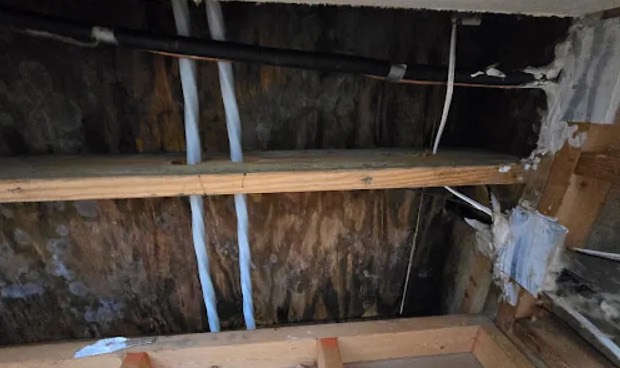
Soft, dark or crumbling wood on rafters and beams points to long-term moisture.
How Attic Water Removal Works in Kansas City
Step 1: Containment and Safety Setup
Power to wet fixtures is shut off and plastic sheeting protects the room below.
Step 2: Roof Leak Water Removal and Cleanout
Rainwater is removed, a tarp is placed over roof damage, and wet debris is cleared.
Step 3: Moisture Evaporation and Attic Drying
Equipment runs on safe footing in the attic, with readings checked each day.
Step 4: Validation of Dry Conditions
Final readings are compared to dry areas to confirm the attic is ready for new insulation.
Frequent Sources of Attic Water Damage in Kansas City
Clogged or Disconnected Gutters
Clogged or loose gutters let water back up under the roof edge and into the soffits.
Appliance Malfunctions Like Water Heater Leaks
Water heaters located in the attic can leak or fail, flooding the attic floor.
Flashing Failures Around Roof Penetrations
Failed flashing around vents, chimneys and skylights lets rain run into the attic.
Condensation From Poor Attic Ventilation
Moist air from the house condenses on roof decking when attic ventilation is poor.
Attic Water Removal for Homes and Businesses
Residential Attic Water Removal
In houses, attic water usually reaches a bedroom or hallway ceiling. Water and wet insulation are removed from above, and the ceiling below is dried or replaced.
Commercial Attic Water Removal
In commercial buildings, water above a drop ceiling soaks tiles and insulation over several rooms. Wet tiles are removed and the plenum space above is dried.
Attic Water Removal vs. DIY: When to Call the Pros
If you can do it safely, look into the attic with a flashlight to find the wet area. Removing soaked insulation and drying the framing needs boards, protective gear and equipment.
Factors Influencing Attic Water Removal Cost
Tight attic access, blown-in insulation removal and storm-night calls all add to the total for attic water removal in Kansas City.
Access and Attic Complexity
Low headroom and small access hatches make attic work slower than open spaces.
Secondary Damage Repairs
Ceiling drywall replacement and paint in the room below add to the total.
Type of Insulation Affected
Blown-in insulation takes more time to remove than batts, and both add disposal costs.
Does Insurance Cover Attic Water Removal?
Coverage for attic water removal depends on the cause and your policy terms. The pros document the damage and drying, and your insurer decides what is covered.
Why Choose Local Pros for Attic Water Removal in Kansas City
Structural Drying Focus
Rafters, decking and the ceiling are dried, not just the spot under the drip.
Advanced Moisture Detection
Moisture meters and thermal cameras find wet wood and insulation that look dry.
Controlled Demolition Practices
Only wet insulation and drywall are removed, which keeps the repair as small as possible.
24/7 Attic Water Removal Response in Kansas City
Wet insulation keeps the ceiling soaking every hour it stays. Call (816) 355-6039 for attic water removal in Kansas City as soon as you see a stain or drip.
Call Now (816) 355-6039Attic Water Removal Service Area Around Kansas City
Attic water removal and drying also cover homes and buildings in Westwood, Roeland Park and Parkville, close to Kansas City, day or night.
- Attic Water Removal in Westwood
- Attic Water Removal in Roeland Park
- Attic Water Removal in Parkville
- Attic Water Removal in Mission
- Attic Water Removal in Fairway
- Attic Water Removal in Edwardsville
- Attic Water Removal in Shawnee
- Attic Water Removal in Merriam
- Emergency Damage Restoration in 66101
- Storm Damage Restoration in 66101
- Water Damage Restoration in 66101
- Water Extraction Service in 66101
- Water Leak Detection in 66101
- Water Removal Service in 66101
- Emergency Damage Restoration in 66102
- Storm Damage Restoration in 66102
Frequently Asked Questions About Attic Water Removal
Can I remove attic water myself?
Only small amounts that are easy to reach safely. Pooled water and soaked insulation need safe footing and drying equipment.
What is an attic moisture inspection?
A check of rafters, decking, insulation and the ceiling below with moisture meters and thermal cameras to find all wet areas.
How can mold be prevented after attic water removal?
By drying wood quickly, fixing ventilation problems and treating framing that stayed wet with an antimicrobial.
How quickly should I deal with water in my attic?
Right away. Water on top of ceiling drywall soaks in and adds weight, and the ceiling can sag or fall within a day.
What is involved in attic water removal?
Stopping the source, removing pooled water, bagging wet insulation, drying the framing and decking, and checking the ceiling below.