Smithville, MO · Clay County
Antimicrobial Treatment Services in Smithville, MOHVAC Duct Sanitization & Basement Mold Prevention Treatment
For sewage and flood cleanup, Antimicrobial Treatment Services in Smithville include emergency sewage sanitization, post flood disinfection services and kitchen surface disinfection.
Answered 24/7
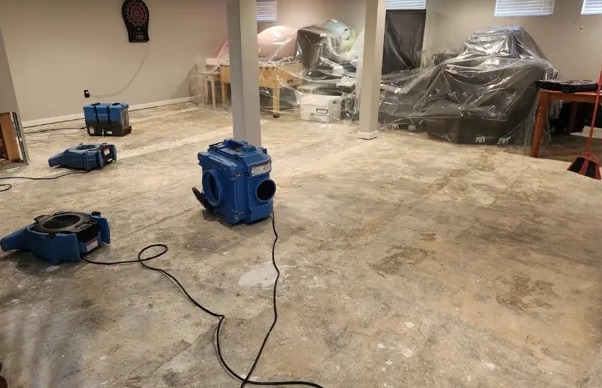
Professional Antimicrobial Treatment Services in Smithville, MO
In Smithville, antimicrobial treatment is a finishing step after water damage, not a shortcut. It works on clean, dry surfaces and helps slow microbial growth on framing, subfloor and concrete that can be kept.
In Smithville, antimicrobial treatment is usually part of a larger water damage job. Local surface sanitization experts serve Smithville, Platte City, Gladstone and Kearney, treating framing, subfloors and hard surfaces once drying is complete.
Specialized Antimicrobial Treatment Services Available in Smithville
HVAC Duct Sanitization
Registers, plenums and reachable duct runs are cleaned and treated so the system does not spread odor through the house.
Basement Mold Prevention Treatment
Basements stay humid, so treatment is paired with dehumidification and fixing the leak or seepage that let the water in.
Bathroom Mold Treatment
Treatment works only if the moisture source is stopped. Leaking fixtures and poor exhaust ventilation are pointed out so the problem does not return.
Crawl Space Antimicrobial Treatment
Crawl spaces stay damp after a plumbing leak. Once standing water is removed and the space dried, joists and subfloor are treated with an antimicrobial.
Mold Remediation Antimicrobial Treatment
Antimicrobial treatment is the last step after removal and drying, not a replacement for them. It treats wood and concrete that were wet but can be kept.
Warning Signs You Need Antimicrobial Treatment Services
Peeling Paint or Warped Drywall
Bubbling paint, soft drywall or warped trim show water got into the material, which may need removal before treatment.
Condensation on Windows or Pipes
Constant condensation on windows or cold pipes means the air is damp, which keeps surfaces wet and slow to dry.
Discoloration or Staining on Walls
Yellow or brown stains on walls and ceilings point to water that soaked in and may have carried dirt or contamination.
Wet Materials Left for Days
Drywall, carpet or framing that stayed wet for more than a couple of days is a likely place for microbial growth.
How Antimicrobial Treatment Services Work in Smithville
Step 1: Emergency Response and Hazard Containment
For sewage or floodwater, the area is closed off and power to wet rooms is checked for safety.
Step 2: Affected Material Removal and Disposal
Contaminated carpet, pad and drywall are bagged and carried out, following local rules for disposing of sewage-soaked materials.
Step 3: Antimicrobial Fogging and Coating
Remaining framing and hard surfaces are treated by spraying, wiping or fogging, depending on the space.
Step 4: Final Sanitization and Walk-Through
Surfaces are wiped down, the area is checked, and the treatment record is shared with you.
Factors Contributing to Surface Sanitizing Issues in Smithville
Roof Leaks and Poor Ventilation
Roof leaks let water into attics and ceilings, where poor airflow keeps insulation and wood damp for days.
Plumbing Leaks and Pipe Bursts
Leaking supply lines and burst pipes soak walls and floors, and materials that stay wet can start to grow microbes.
Foundation Cracks and Groundwater
Groundwater seeping through foundation cracks keeps lower walls and slabs wet over long periods.
Sewage Backups and Toilet Overflows
Sewage carries bacteria and other contaminants that require disinfection of every surface it touches.
Antimicrobial Treatment Services for All Property Types in Smithville
Residential Antimicrobial Treatment Services
For homeowners, the main question is what can stay and what must go. Hard surfaces and framing can usually be cleaned and treated, while soaked carpet and drywall are often replaced.
Commercial Antimicrobial Treatment Services
For property managers, a backup in one unit can affect shared walls and floors. Each affected area is contained, cleaned, treated and documented separately for the owner and insurer.
Antimicrobial Treatment Services vs. DIY: When to Call the Pros
Never clean up sewage without gloves, eye protection and boots. For any backup larger than a small spill, it is safer to call local surface sanitization experts.
Understanding Antimicrobial Treatment Services Expenses in Smithville
Treating soon after drying in Smithville keeps the job smaller. Waiting can mean more stained framing to clean and more odor to deal with later.
Access and Containment
Crawl spaces, attics and ductwork take longer to reach and may need containment.
Emergency Service Timing
After-hours response to a sewage backup can cost more than a scheduled visit.
Material and Agent Selection
The product chosen depends on the surface and the type of contamination, which affects cost.
Does Insurance Cover Antimicrobial Treatment Services?
Many homeowner policies cover cleanup after sudden water damage, including disinfection, but limit or exclude problems caused by slow leaks or poor upkeep. Read your policy and ask your adjuster early.
Reasons to Select Local Pros for Antimicrobial Treatment Services in Smithville
Documentation for Insurance
The product used, the areas treated and photos are recorded for your insurer.
24/7 Emergency Response
Help is available day or night for sewage backups and other contaminated water.
Targeted Treatment Plans
Treatment is limited to the areas that were wet or contaminated, based on moisture readings.
Emergency Antimicrobial Treatment Services Available Around the Clock in Smithville
Water damage that is starting to smell needs attention soon. Call (816) 355-6039 to schedule antimicrobial treatment services in Smithville after the area is checked and dried.
Call Now (816) 355-6039Antimicrobial Treatment Services in Smithville
Besides Smithville, the experts handle cleaning, disinfection and antimicrobial treatment in nearby Platte City, Gladstone and Kearney.
- Antimicrobial Treatment Services in Platte City
- Antimicrobial Treatment Services in Gladstone
- Antimicrobial Treatment Services in Kearney
- Antimicrobial Treatment Services in Weatherby Lake
- Antimicrobial Treatment Services in Liberty
- Antimicrobial Treatment Services in Excelsior Springs
- Antimicrobial Treatment Services in Lansing
- Antimicrobial Treatment Services in Kansas City
- Emergency Damage Restoration in 64089
- Storm Damage Restoration in 64089
- Water Damage Restoration in 64089
- Water Extraction Service in 64089
- Water Leak Detection in 64089
- Water Removal Service in 64089
Frequently Asked Questions About Antimicrobial Treatment Services
Can I stay home during antimicrobial treatment?
Usually yes, but keep out of treated rooms until the product dries and the label re-entry time has passed.
What is the difference between disinfecting and sanitizing surfaces?
Sanitizing lowers germs on a surface. Disinfecting kills a wider range of germs as listed on the product label. Sewage cleanup calls for disinfection.
What records do local surface sanitization experts provide for insurance claims?
Photos, moisture readings, the products used and a list of removed and treated materials, with the dates of each step.
What is the purpose of antimicrobial treatment in a crawl space?
To slow microbial growth on wood that got wet, once the space is dried and the moisture source is fixed.
Is HVAC duct sanitization useful after water damage?
It can be, if water or damp air reached the ducts. Ducts are cleaned first, and the moisture source is fixed before any treatment.