Trusted by 135+ Homeowners
AC Unit Water Removal in Smithville, MO
- Over 136 5-Star Reviews
- Free Estimates and Quotes
- 100% Satisfaction Guaranteed
- Child, Family & Pet Safe Steps
- 24-Hour Emergency Service
- Fully Licensed & Insured
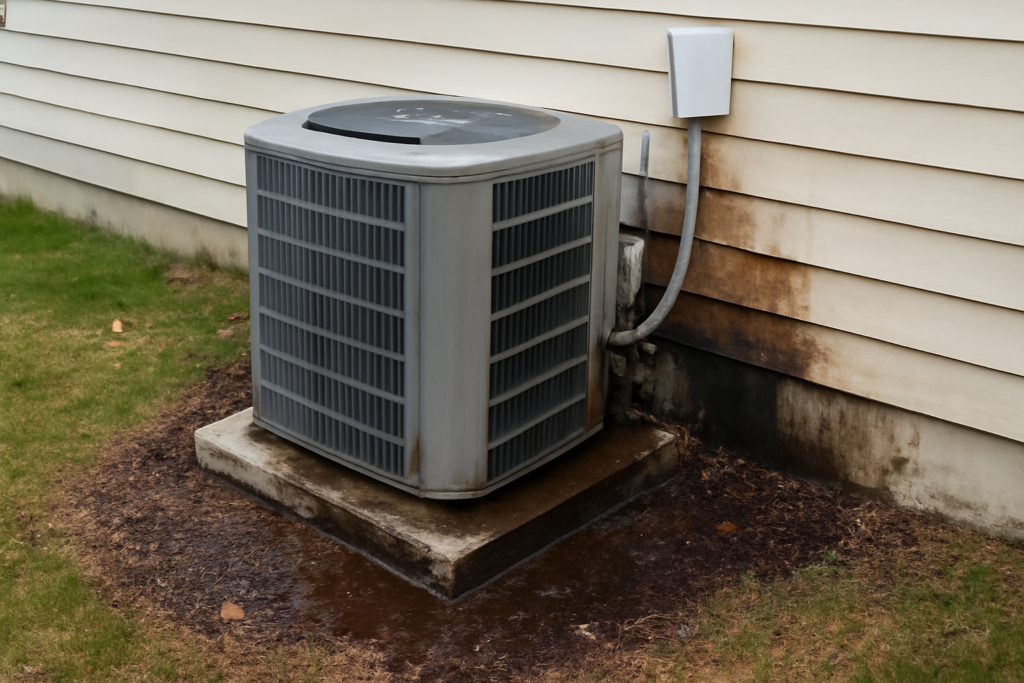
Don’t Let AC Unit Water Damage Spread in Smithville, MO
Standing water from a malfunctioning AC unit can be a nightmare for homeowners in the area. It’s not just about the mess and the smell; it’s about the potential for mold growth, structural damage, and even safety hazards. Don’t delay in addressing the issue. The longer you wait, the more extensive the damage will be, and the more expensive the repairs will be. Act quickly to reduce the damage. Our team is here to help you navigate this challenging situation and restore your property to its original state.
We’ve served over 165 homeowners in the area, and they trust us to handle their AC unit water removal needs. Our team is IICRC certified and committed to delivering exceptional results. We’re here to make the process as smooth and stress-free as possible.
- Expertise in AC unit water removal and cleanup
- 24/7 emergency response to reduce damage
- State-of-the-art equipment and techniques for efficient removal
How We Handle AC Unit Water Removal in the Area
When you call us for AC unit water removal, you can expect a thorough and efficient process. Our team will arrive quickly, assess the situation, and develop a customized plan to remove the water and dry your property. We use advanced equipment, including truck-mounted extractors and dehumidifiers, to ensure the job is done right the first time. We work efficiently to reduce downtime and get your life back to normal.
Step 1: Assessment and Planning
Our team will arrive at your property and assess the extent of the damage. We’ll identify the source of the water and develop a plan to remove it. We’ll also check for any safety hazards and take steps to mitigate them.
Step 2: Water Removal
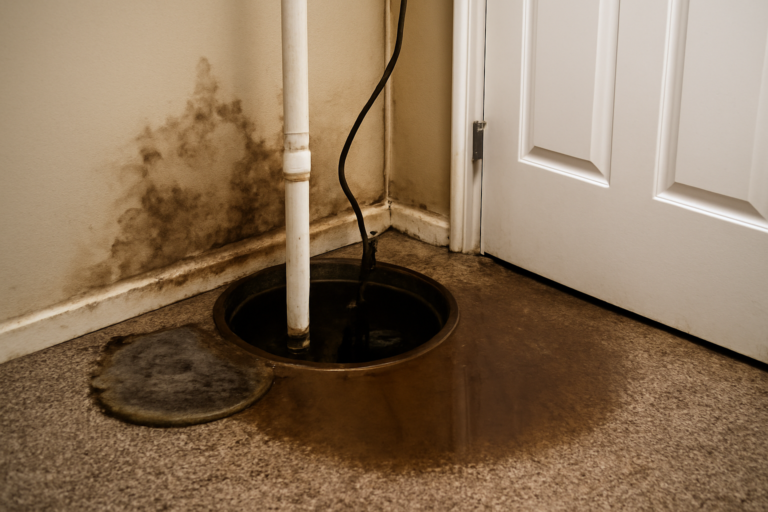
We’ll use our truck-mounted extractors to remove as much water as possible from your property. This is typically the fastest and most effective way to remove large amounts of water. We’ll also use pumps and wet vacuums to remove water from hard-to-reach areas.
Step 3: Drying and Dehumidification
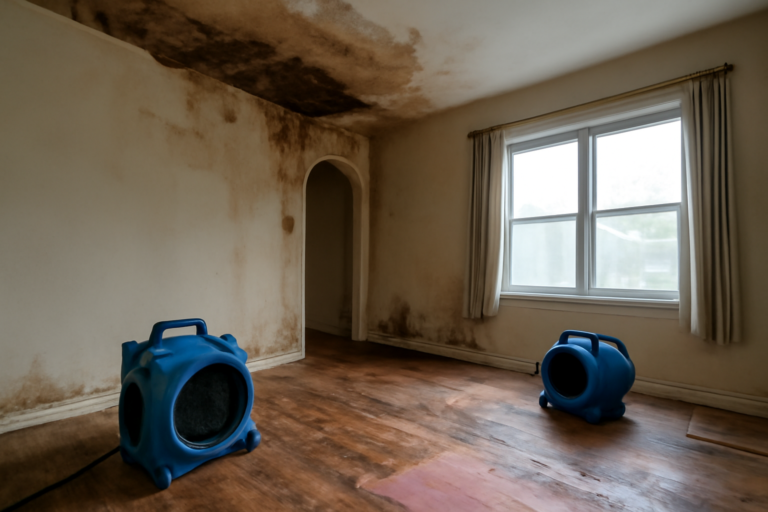
Once the water has been removed, we’ll use dehumidifiers and fans to dry your property. This is a critical step to prevent mold growth and further damage. We’ll also monitor the drying process to ensure everything is dry and safe.
Step 4: Cleaning and Disinfection
After the drying process is complete, we’ll clean and disinfect your property to remove any remaining moisture and prevent mold growth. We’ll also check for any hidden damage and make repairs as needed.
Step 5: Final Inspection and Certification
Once the cleaning and disinfection process is complete, we’ll conduct a final inspection to ensure your property is safe and dry. We’ll also provide you with a certification of completion and a warranty for our work. We stand behind our work and are committed to your satisfaction.
Don’t wait any longer to address your AC unit water damage. Call us today to schedule your appointment. Our team is here to help you restore your property and get back to normal as quickly as possible.
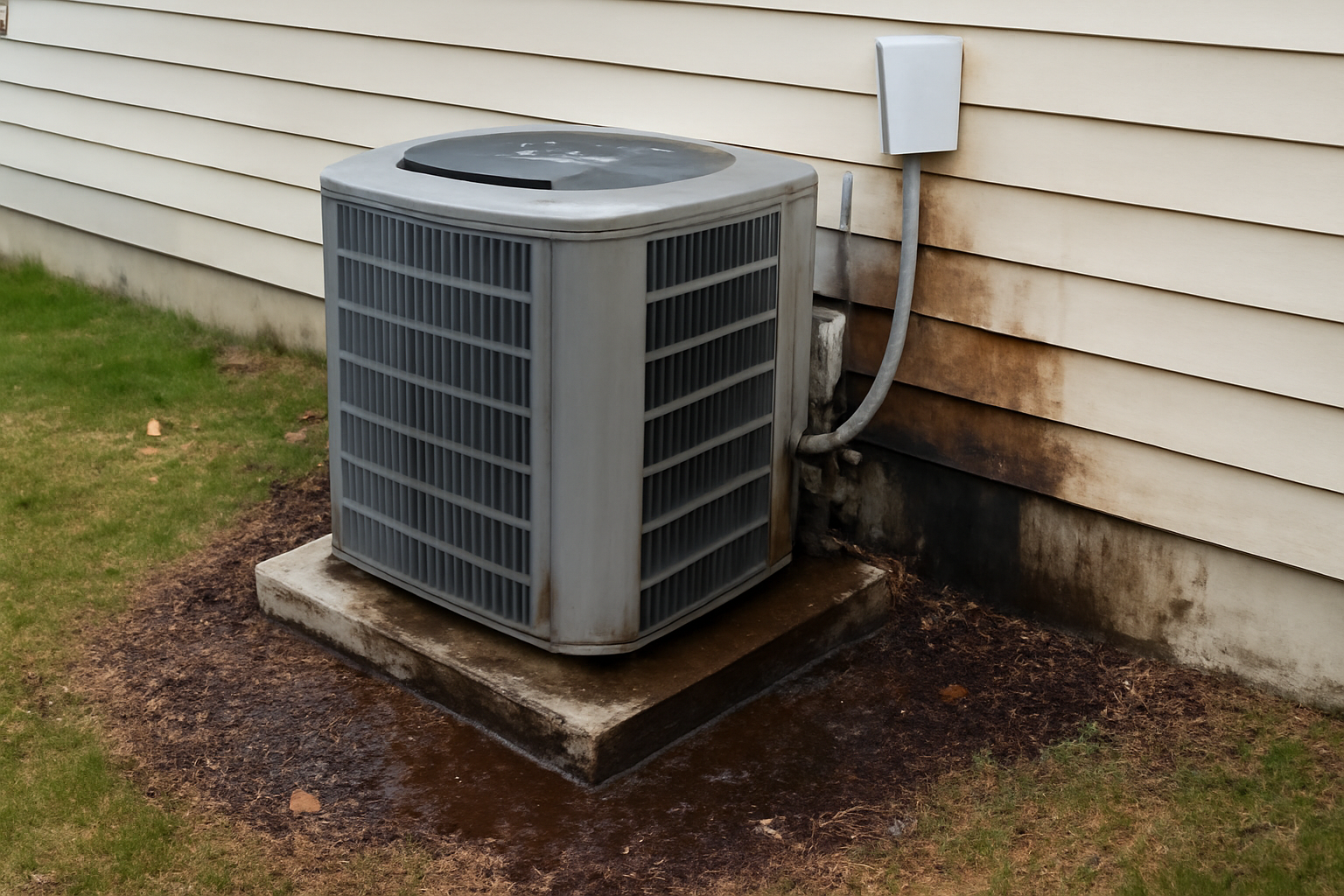
Warning Signs You Need AC Unit Water Removal in the Area
Don’t ignore these warning signs, as they can show a more serious issue that needs immediate attention. Act quickly to prevent further damage.
Musty Odors That Won’t Go Away
Strong, persistent odors can be a sign of mold growth or water damage. If you notice a musty smell in your home, it’s essential to investigate the source and address it quickly. Don’t wait for the problem to get worse.
Water Stains or Warping on Ceilings or Walls
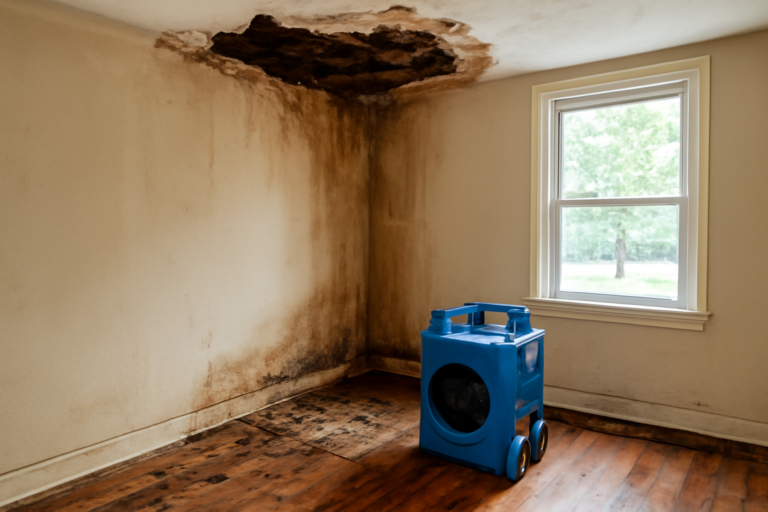
Water stains or warping on ceilings or walls can show water damage or leaks. If you notice any of these signs, it’s crucial to investigate the source and make repairs as soon as possible. Don’t delay in addressing the issue.
Peeling Paint or Wallpaper
Peeling paint or wallpaper can be a sign of water damage or high humidity. If you notice any of these signs, it’s essential to investigate the source and make repairs as soon as possible. Don’t wait for the problem to get worse.
Soggy Carpets or Flooring
Soggy carpets or flooring can be a sign of water damage or leaks. If you notice any of these signs, it’s crucial to investigate the source and make repairs as soon as possible. Don’t delay in addressing the issue.
Discoloration or Mineral Deposits on Fixtures or Appliances
Discoloration or mineral deposits on fixtures or appliances can be a sign of water damage or high humidity. If you notice any of these signs, it’s essential to investigate the source and make repairs as soon as possible. Don’t wait for the problem to get worse.
Unpleasant Odors or Moisture in Attics or Crawlspaces
Unpleasant odors or moisture in attics or crawlspaces can be a sign of water damage or high humidity. If you notice any of these signs, it’s crucial to investigate the source and make repairs as soon as possible. Don’t delay in addressing the issue.
AC Unit Water Removal vs. DIY: When To Call a Professional
| Situation | DIY? | Call a Pro? | Why |
|---|---|---|---|
| Standing water from a malfunctioning AC unit | No | Yes | Professional equipment and expertise are needed to safely and efficiently remove the water. |
| Visible signs of water damage, such as warping or discoloration | No | Yes | A professional assessment and repair are necessary to prevent further damage and ensure safety. |
| Unpleasant odors or moisture in attics or crawlspaces | No | Yes | A professional inspection and repair are necessary to identify and address the source of the issue. |
| Water damage or leaks in critical areas, such as electrical or HVAC systems | No | Yes | A professional repair is necessary to ensure safety and prevent further damage. |
| Large areas of water damage or extensive repairs | No | Yes | A professional team and equipment are needed to efficiently and effectively restore the property. |
Don’t risk your safety and the integrity of your property by trying to handle AC unit water removal yourself. Call a professional to ensure the job is done right.
AC Unit Water Removal Cost in Smithville, MO
The cost of AC unit water removal in Smithville, MO, can vary depending on the severity of the damage, the size of the affected area, and local conditions. Our prices are estimates, not guarantees, and may be affected by various factors. We’ll provide you with a customized quote after assessing your property.
| Service | Typical Price Range | What Affects Cost |
|---|---|---|
| Water removal and extraction | $500 – $2,500 | Size of affected area, severity of damage, and local conditions |
| Drying and dehumidification | $1,000 – $5,000 | Size of affected area, severity of damage, and local conditions |
| Cleaning and disinfection | $500 – $2,000 | Size of affected area, severity of damage, and local conditions |
| Repairs and reconstruction | $2,000 – $10,000 | Size of affected area, severity of damage, and local conditions |
| Professional equipment and labor costs | $1,000 – $5,000 | Size of affected area, severity of damage, and local conditions |
Exact pricing will depend on an on-site assessment. We offer free estimates and will provide you with a customized quote.
Service Areas Near Smithville, MO
We serve the following nearby communities: Kearney, Liberty, Excelsior Springs, Lawson, Camden Point, Smithton, Platte City, Parkville, Riverside, and Ferrelview.
Common Questions About AC Unit Water Removal
Is AC unit water removal covered by homeowners insurance?
Yes, AC unit water removal may be covered by homeowners insurance, depending on the circumstances. Check your policy to see what’s covered.
How long does AC unit water removal take?
The length of time it takes to complete AC unit water removal depends on the severity of the damage and the size of the affected area. Our team will provide you with a customized timeline.
Is AC unit water removal safe for my family and pets?
AC unit water removal can be safe for your family and pets if done properly. Our team takes safety precautions to reduce risks.
Can I prevent AC unit water damage?
Yes, you can prevent AC unit water damage by regular maintenance, such as cleaning the condenser coils and checking for leaks. Regular maintenance can save you time and money.
What happens if I ignore AC unit water damage?
If you ignore AC unit water damage, it can lead to further damage, mold growth, and safety hazards. Don’t wait to address the issue.
Check Our Other Relevant Services

Meet Aubrey Marquette
With over 20 years of hands-on experience, Aubrey Marquette is a veteran leader in the property recovery industry. As a licensed Damage Restoration Expert, he blends technical mastery with a compassionate approach to help homeowners navigate their most challenging moments.
𝗖𝗲𝗿𝘁𝗶𝗳𝗶𝗰𝗮𝘁𝗶𝗼𝗻𝘀: Aubrey holds elite IICRC certifications in Water Damage Restoration (WRT), Applied Structural Drying (ASD), Mold Remediation (AMRT), Fire and Smoke Restoration (FSRT), and Odor Control (OCT).
𝗙𝗮𝘃𝗼𝗿𝗶𝘁𝗲 𝗣𝗮𝘀𝘁𝗶𝗺𝗲: When off the clock, Aubrey enjoys restoring vintage woodworking tools and exploring coastal hiking trails.
𝗕𝗲𝘀𝘁 𝗣𝗮𝗿𝘁 𝗼𝗳 𝘁𝗵𝗲 𝗷𝗼𝗯: Aubrey finds the most fulfillment in witnessing the “moment of relief” when a family safely returns to their restored home, knowing he has provided them with a fresh start and peace of mind.