Osage City, KS · Osage County
AC Unit Water Removal in Osage City, KSEmergency AC Water Removal & AC Drain Pan Water Extraction
AC Unit Water Removal in Osage City runs from emergency AC water removal and AC leak water cleanup to air conditioner restoration services.
Answered 24/7
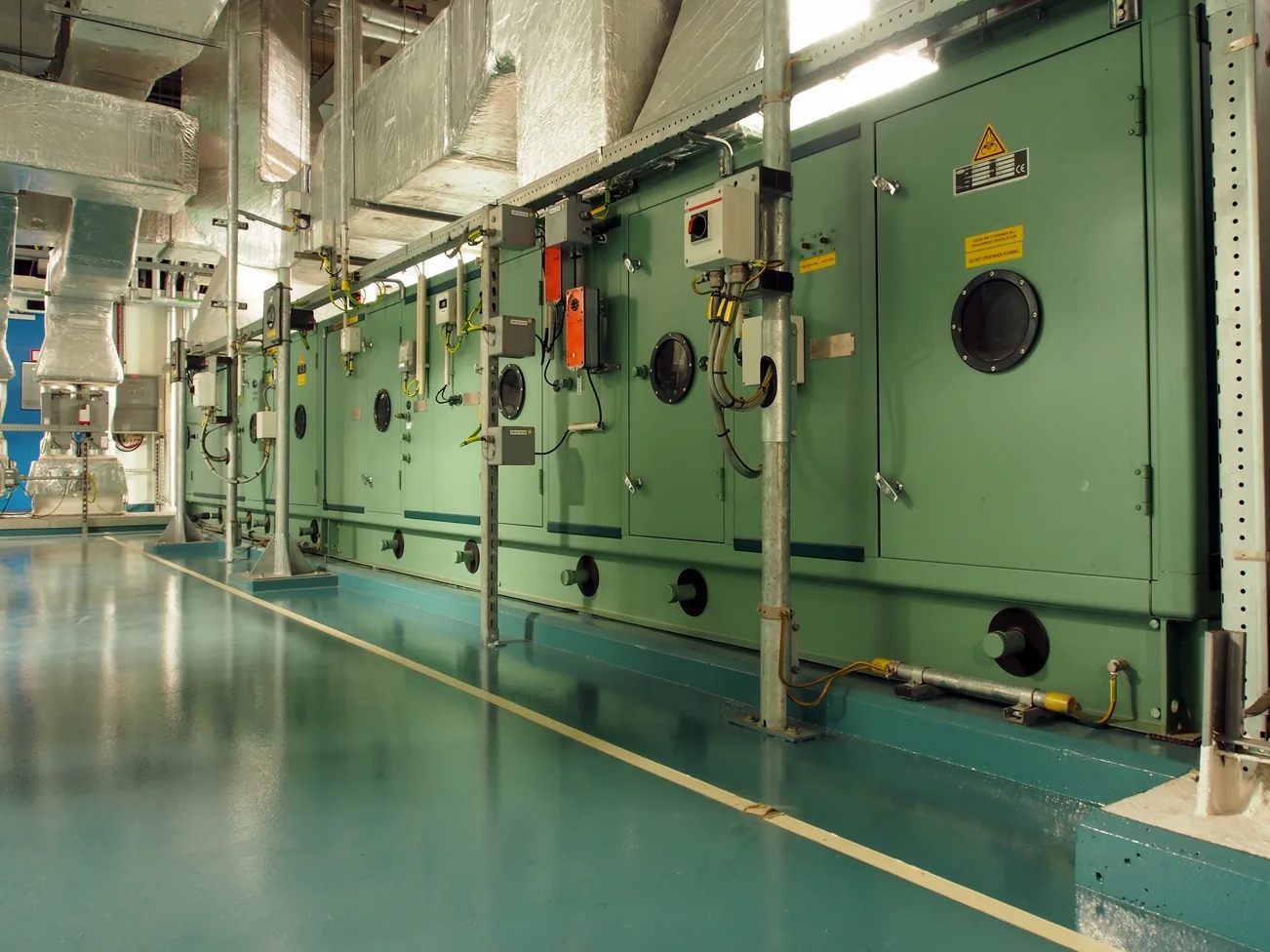
Expert AC Unit Water Removal for Osage City Homes
When water drips from a ceiling vent or pools around the furnace closet in Osage City, the AC drain is the usual suspect. A clogged condensate line sends water back into the pan until it spills over.
In Osage City, AC leaks usually show up as ceiling stains under attic units, wet carpet near the furnace closet or water dripping from a vent. Help with AC unit water removal is available across Osage City and in Lyndon, Burlingame and Scranton, day or night, with extraction, drain clearing and drying.
Complete AC Unit Water Removal and Repair in Osage City
Emergency AC Water Removal
A sudden AC flood can soak a ceiling or floor in hours. Emergency removal gets the water out before it spreads into framing and insulation.
AC Drain Pan Water Extraction
Both the primary pan and the secondary safety pan are emptied, and the pan is inspected for rust holes or cracks.
Wet AC Unit Component Drying
Wet blower motors, panels and wiring are dried with gentle airflow and dehumidifiers rather than direct heat, which lowers the risk of corrosion and shorts.
AC Leak Water Cleanup
Standing water around the indoor unit is pumped and vacuumed up first, before it wicks into drywall, baseboards or the subfloor.
AC Leak Mold Prevention
Antimicrobial treatment is an add-on step after drying, not a substitute for removing wet materials that cannot be saved.
When to Call for AC Unit Water Removal in Osage City
Wet AC Unit Components
Damp coils, a wet blower compartment or moisture around wiring inside the cabinet mean water is collecting where it should not.
Musty Odors From Vents
A musty smell when the AC starts often means standing water in the pan or wet insulation in the ducts.
High Indoor Humidity Levels
Rooms that feel clammy while the AC runs may mean water is not draining and is evaporating back into the air.
Reduced Cooling Efficiency
A clogged drain can trip a float switch or starve the coil of airflow, so the system runs longer and cools less.
How AC Unit Water Removal Works in Osage City
Step 1: Leak Assessment
The pros find the source of the leak, check how far the water spread and take moisture readings.
Step 2: Source Stop and Water Removal
The drain is cleared or the leaking part isolated, then standing water is extracted from every wet area.
Step 3: System Drying and Dehumidification
Drying equipment runs until walls, floors and insulation test dry, with readings taken at each visit.
Step 4: Verification and Restoration
Final readings confirm the materials are dry, then damaged drywall, trim or ceiling panels can be replaced.
What Leads to AC Unit Water Removal Needs in Osage City
High Static Pressure in Ducts
Restricted ducts can pull water off the coil and blow it into the cabinet or ductwork.
Failed Condensate Pump
Units that pump condensate uphill depend on a small pump. When it fails, the reservoir overflows.
Excess Outdoor Humidity
Very humid air makes the coil produce more water than a partly clogged drain can carry.
Dirty Air Filters
A clogged filter cuts airflow, which can freeze the coil and cause overflow when it melts.
Both Residential & Commercial AC Unit Water Removal in Osage City
Residential AC Unit Water Removal
In a home, an AC leak usually hits a hallway ceiling, a closet floor or the carpet near the air handler. Water removal and drying start there, followed by drywall repair if needed.
Commercial AC Unit Water Removal
In offices and stores, a leaking rooftop or ceiling unit drips onto desks, stock and floors and creates slip hazards. Work can be scheduled around business hours where possible.
AC Unit Water Removal vs. DIY: When to Call the Pros
A wet vac on the condensate line outlet clears many simple clogs. If the ceiling below an attic unit is stained or sagging, stay out from under it and call (816) 355-6039 instead of poking holes in it.
Estimating Your AC Unit Water Removal Cost in Osage City
In Osage City, most of the cost comes from extraction, equipment days and any drywall or insulation that has to be replaced. A walk-through sets the scope before work starts.
Documentation Needs
Detailed photos and moisture logs for an insurance claim add some time to the job.
Required Drying Time
Dense materials and enclosed spaces take longer to dry, which means more equipment days.
Affected Component Count
The more of the system that got wet, such as the blower, panels and insulation, the more drying time is needed.
Does Insurance Cover AC Unit Water Removal?
Ask your adjuster whether clearing the condensate line is covered or treated as routine maintenance, since policies differ. The water damage to ceilings, walls and floors is often handled separately from the unit.
The Value of Local Pros for AC Unit Water Removal in Osage City
Industry Drying Standards
Drying follows industry water damage standards, with moisture readings at each visit.
Systematic Drain Line Clearing
The condensate line is cleared, not just the water mopped up, so the leak does not come right back.
Air Conditioner Restoration Focus
Drywall, trim and ceiling repairs can be handled after drying, so one job covers the whole leak.
24/7 AC Unit Water Removal for Emergencies in Osage City
If water is near wiring or the breaker keeps tripping, turn off power to the unit and stay clear of the wet area. Then call (816) 355-6039 for help in Osage City.
Call Now (816) 355-6039AC Unit Water Removal Throughout Osage City and Beyond
Help with AC unit water removal is also available in communities near Osage City, including Lyndon, Burlingame and Scranton, for leaking air handlers and overflowing drain pans.
- AC Unit Water Removal in Lyndon
- AC Unit Water Removal in Burlingame
- AC Unit Water Removal in Scranton
- AC Unit Water Removal in Melvern
- AC Unit Water Removal in Carbondale
- AC Unit Water Removal in Lebo
- AC Unit Water Removal in Overbrook
- AC Unit Water Removal in Pomona
- Emergency Damage Restoration in 66523
- Storm Damage Restoration in 66523
- Water Damage Restoration in 66523
- Water Extraction Service in 66523
- Water Leak Detection in 66523
- Water Removal Service in 66523
Frequently Asked Questions About AC Unit Water Removal in Osage City
Can a wet AC unit be saved after a leak?
Often yes. Components are dried gently and checked, but an HVAC contractor should inspect electrical parts before the unit runs again.
What clogs an AC condensate line?
Algae, sludge, dust and debris build up inside the line, especially over long cooling seasons, until water backs up into the pan.
How long does drying take after an AC leak?
Often several days, depending on the materials and how long they were wet. Daily readings track progress.
What equipment is used to dry AC leak damage?
Extractors, air movers, dehumidifiers and moisture meters, plus wet vacs or pumps for the drain line.
Why document AC water damage?
Photos and moisture readings show what got wet and how it was dried, which helps your insurance claim.