Lane, KS · Franklin County
AC Unit Water Removal in Lane, KSAC Leak Water Cleanup & AC Drain Pan Water Extraction
AC Unit Water Removal in Lane covers AC leak water cleanup, AC condensate drain clearing and wet AC unit component drying.
Answered 24/7
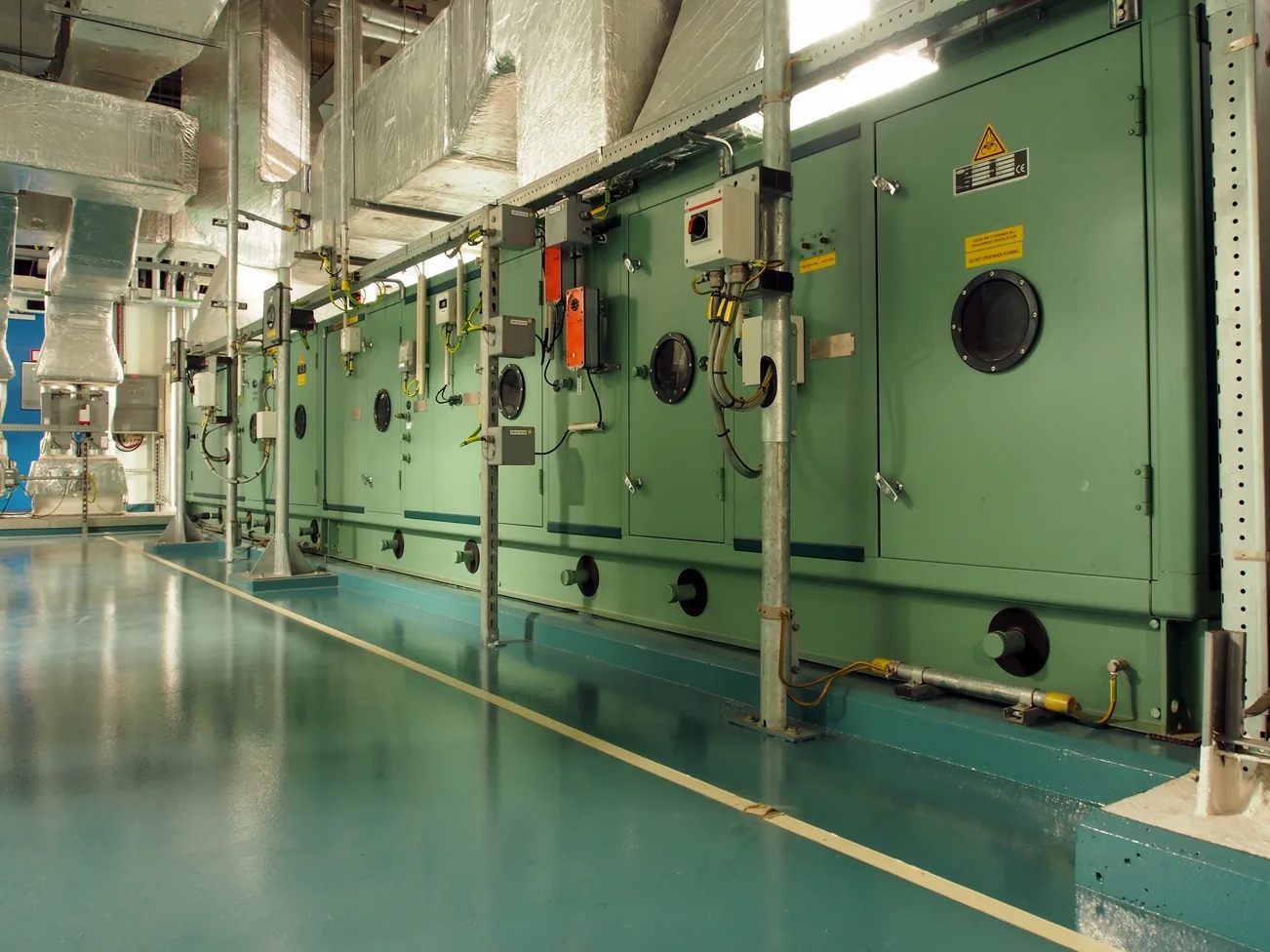
Professional AC Unit Water Removal in Lane, KS
An air conditioner pulls gallons of water out of the air on a hot day. When the drain line clogs or the pan cracks, that water lands on ceilings, walls and floors in Lane homes instead of draining outside.
Property owners in Lane can call (816) 355-6039 day or night when an air handler starts leaking. Service also covers Rantoul, Osawatomie and Princeton, with the same extraction, drain clearing and drying process for attic, closet and garage units in houses, condos and apartments.
The AC Unit Water Removal Process in Lane, KS
AC Leak Water Cleanup
Cleanup starts at the drain pan and works outward, removing pooled water and wet debris so drying can begin.
AC Drain Pan Water Extraction
A soaked pan in an attic unit is a ceiling leak waiting to happen. Extracting it quickly protects the drywall underneath.
AC Condensate Drain Clearing
A clogged condensate line is the most common reason an AC unit leaks. The pros flush out algae and sludge so condensate drains away again.
Air Conditioner Restoration Services
Restoration covers the repairs left after a leak: cut-out drywall, stained ceilings, swollen baseboards and soaked insulation.
AC Leak Water Extraction
Extraction is followed by drying with air movers and dehumidifiers, with daily readings to track progress.
Indicators for Emergency AC Unit Water Removal
AC Drain Pan Overflow
Water at the rim of the drain pan, or in the secondary pan, means the condensate line is blocked.
Condensation Line Dripping
A condensate line that drips inside instead of outside has a crack, loose fitting or clog.
Visible Mold Near AC
Dark spots on drywall or framing near the unit mean the area has stayed wet for days.
AC Unit Circuit Breaker Trips
Water reaching electrical parts can trip the breaker. Shut the unit off and call before resetting it again.
How AC Unit Water Removal Works in Lane
Step 1: AC Leak Water Cleanup
Pooled water is removed from around the air handler and from any rooms or ceilings the leak reached.
Step 2: AC Drain Pan Water Extraction
The primary and secondary pans are emptied and checked for cracks, rust holes or a stuck float switch.
Step 3: Component and Structure Drying
Wet panels, framing and subfloor are dried with targeted airflow and dehumidifiers until readings are normal.
Step 4: Documentation and Prevention
Photos and readings are recorded for insurance, and simple drain upkeep tips are shared to prevent a repeat.
What Leads to AC Unit Water Removal Needs in Lane
Clogged AC Condensation Line
Algae and sludge build up in the drain line over a cooling season until water backs up into the pan.
High Static Pressure in Ducts
Restricted ducts can pull water off the coil and blow it into the cabinet or ductwork.
Age and Component Wear
Older units have worn fittings, brittle seals and corroded pans that start leaking together.
Improper AC Unit Installation
A unit that is not level, or a drain line without enough slope, lets water pool instead of draining.
AC Unit Water Removal for Homes and Businesses in Lane
Residential AC Unit Water Removal
Attic air handlers in houses leak into bedroom and hallway ceilings. The pan is emptied, the ceiling checked with a meter and wet drywall dried or cut out before it sags.
Commercial AC Unit Water Removal
Commercial systems have larger pans and longer drain runs. Clearing the line and drying ceiling tiles and carpet keeps the space open and safe for staff and customers.
The Risks of DIY AC Unit Water Removal in Lane
You can turn off the AC, empty the pan and towel up a puddle yourself. Moisture already inside drywall or subflooring is harder, because it takes meters to find and drying equipment to remove it.
Factors Influencing AC Unit Water Removal Cost in Lane
The cost of AC unit water removal in Lane depends on how much water leaked, which materials got wet and how long drying takes. A clogged line caught early costs far less than a soaked ceiling.
Affected Component Count
The more of the system that got wet, such as the blower, panels and insulation, the more drying time is needed.
Preventative Treatment Scope
Antimicrobial treatment is an optional step, priced by the size of the area treated.
Required Drying Time
Dense materials and enclosed spaces take longer to dry, which means more equipment days.
Does Insurance Cover AC Unit Water Removal?
Insurers often ask whether the leak was sudden or ongoing. A record of when the water was found, what it reached and how it was dried helps answer that question.
Why Choose Local Pros for AC Unit Water Removal in Lane
Systematic Drain Line Clearing
The condensate line is cleared, not just the water mopped up, so the leak does not come right back.
Drain Pan Extraction
Both the main pan and the safety pan are emptied and checked for damage.
Air Conditioner Restoration Focus
Drywall, trim and ceiling repairs can be handled after drying, so one job covers the whole leak.
24/7 Emergency AC Unit Water Removal in Lane
Do not wait for a stained ceiling to start sagging under the weight of the water. Call (816) 355-6039 now for AC unit water removal in Lane and get the drying started.
Call Now (816) 355-6039Local AC Unit Water Removal Coverage for Lane, Rantoul, Osawatomie and Princeton
Need AC unit water removal outside Lane? Service also covers Rantoul, Osawatomie and Princeton, day or night, for any leaking AC unit.
- AC Unit Water Removal in Rantoul
- AC Unit Water Removal in Osawatomie
- AC Unit Water Removal in Princeton
- AC Unit Water Removal in Fontana
- AC Unit Water Removal in Paola
- AC Unit Water Removal in Ottawa
- AC Unit Water Removal in Williamsburg
- AC Unit Water Removal in Wellsville
- Emergency Damage Restoration in 66042
- Storm Damage Restoration in 66042
- Water Damage Restoration in 66042
- Water Extraction Service in 66042
- Water Leak Detection in 66042
- Water Removal Service in 66042
Your AC Unit Water Removal Questions Addressed
Can a wet AC unit be saved after a leak?
Often yes. Components are dried gently and checked, but an HVAC contractor should inspect electrical parts before the unit runs again.
Is air conditioner restoration separate from water removal?
Yes. Water removal and drying come first. Restoration covers repairs afterward, such as replacing drywall or ceiling panels.
What are signs I need water removed from around my air conditioner?
Puddles near the unit, ceiling stains, a musty smell, a full drain pan or an AC that shuts off on its own.
What equipment is used to dry AC leak damage?
Extractors, air movers, dehumidifiers and moisture meters, plus wet vacs or pumps for the drain line.
Why does the drain pan need to be emptied?
A full pan overflows into ceilings and floors. Emptying and inspecting it stops the spill and shows whether the pan is cracked.